Palawan Island Hopping With Less Plastic and Better Reef Etiquette
A practical guide to Palawan Island Hopping With Less Plastic and Better Reef Etiquette.
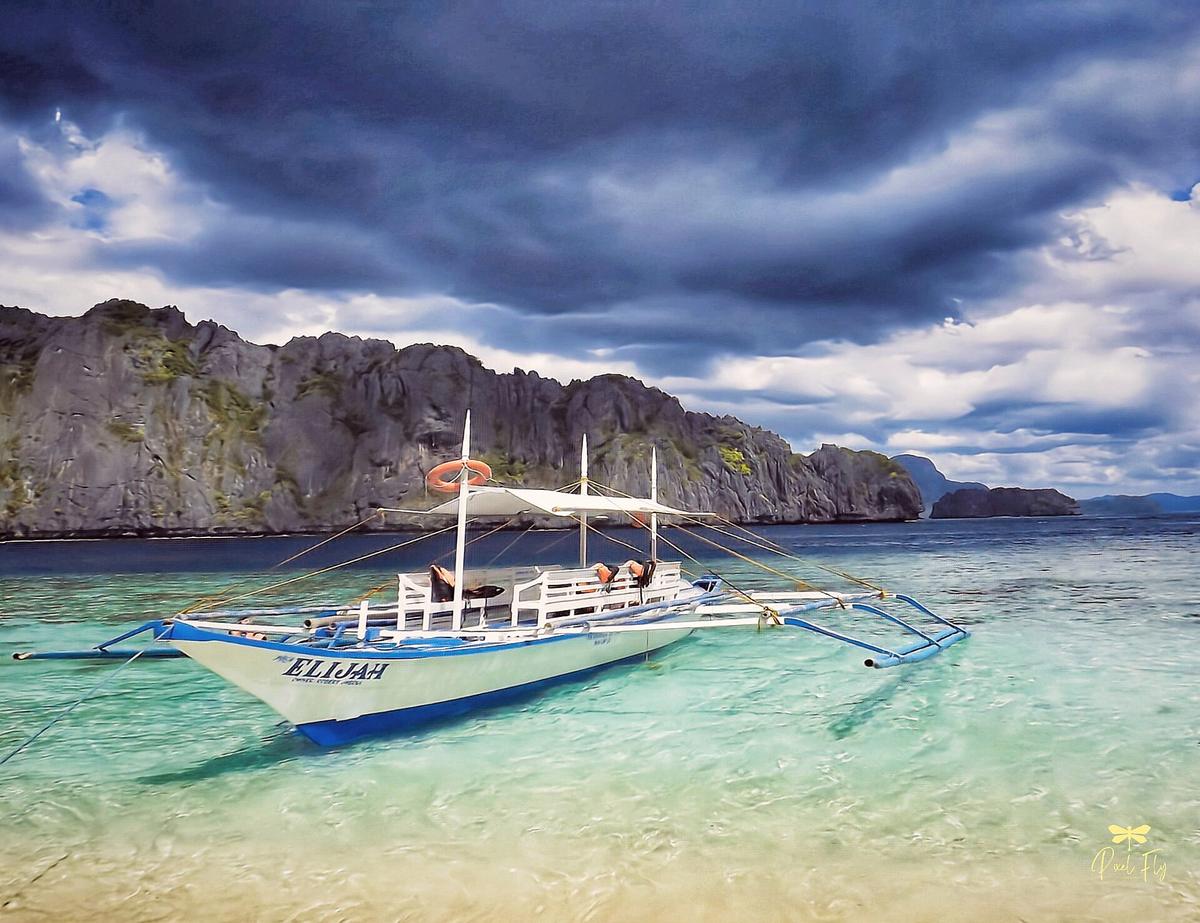

Why the rules in Palawan are different from the start
Palawan is not governed like the rest of the Philippines when it comes to development. Under Republic Act 7611, the Strategic Environmental Plan for Palawan Act, every tourism project and undertaking must first secure a SEP Clearance from the Palawan Council for Sustainable Development before any national permit, licence or Environmental Compliance Certificate can be issued. That legal layer means a dive centre, an island-hopping fleet or a beachfront café cannot simply register with a national agency and open its doors. The PCSD reviews the proposal first, and no DENR permit moves without its approval.
For a traveller, this changes what responsible travel looks like. Choosing an operator is not just about reading reviews or comparing prices. It is about checking whether the business has passed through the one regulatory gate that matters most in the province. The PCSD framework is the reason Palawan can enforce rules that other destinations struggle to implement, and it is the reason a visitor can find operators who are legally required to meet environmental standards before they ever welcome a guest.
What the plastic bans actually cover on the water
Two of Palawan's busiest hubs have written single-use plastic rules into local law, and the restrictions are more specific than a generic no-plastic pledge. Puerto Princesa City Ordinance No. 993 took full effect in April 2020 and prohibits plastic bags, utensils, disposable cups, coffee stirrers and straws in all commercial establishments. That covers the city's restaurants, hotels and tour operators before a boat ever leaves the wharf.
El Nido goes further. Municipal Ordinance No. 004, Series of 2013 already banned single-use plastic bags, cellophane, styrofoam, plastic cups, cutlery and drinking straws. Since September 2018, the local government has prohibited bringing any single-use plastics onto boat tours, including bottled water. That means a traveller showing up at the El Nido jetty with a disposable water bottle should expect to leave it behind. Operators who comply will provide reusable containers or refill stations, and a visitor who packs a reusable bottle from the start avoids the scramble.


The lagoon limits and what the carrying-capacity data reveals
El Nido's Big Lagoon and Small Lagoon operate under a carrying-capacity policy enforced by the El Nido-Taytay Managed Resource Protected Area management board. Big Lagoon allows 60 guests at a time, capped at 720 per day. Small Lagoon allows 30 guests at a time, capped at 360 per day. Motorised boats are barred from entering either lagoon, so every visitor enters by kayak or by swimming from a boat moored outside.
The daily caps are not arbitrary. An ADB-funded carrying-capacity assessment calculated the real environmental carrying capacity for snorkelling at Big Lagoon at just 40 snorkellers per day. On peak days, the study recorded volumes of 1,631 snorkellers. The gap between the ecological threshold and the actual peak load is stark, and it explains why the management board's limits, while they may feel restrictive on a busy morning, are still above what the reef can absorb without damage. A traveller who wants to snorkel inside a lagoon with minimal impact should look for an operator that schedules visits outside the midday peak and keeps group sizes small enough that the experience stays within the spirit of the cap, not just the letter.
Reef etiquette that is written into law at Tubbataha
Tubbataha Reefs Natural Park operates under a set of prohibitions that are enforceable with fines. Anchoring on reefs is forbidden, and all vessels must use mooring buoys. Violations carry an administrative fine of not less than ₱50,000 and not more than ₱100,000 under Republic Act 10067. The park also prohibits handling, touching, feeding or chasing any flora and fauna, landing on North and South Islets, swimming or snorkelling in the lagoons, and using gloves while diving.
These are not guidelines posted as suggestions. They are park rules with legal weight, and a liveaboard operator or dive guide who ignores them risks a penalty that is designed to hurt. For a diver, the practical takeaway is straightforward. Before booking a Tubbataha trip, ask the operator how they enforce the no-glove rule, whether their briefings cover the prohibition on touching marine life, and how they handle guests who drift too close to the reef. A credible operator will have clear answers. One that dismisses the question is worth avoiding.
How to find operators that are verified, not just well-marketed
Palawan has two public verification systems that a traveller can use to separate documented compliance from marketing claims. The Department of Tourism maintains a public list of accredited tourism enterprises in the province, including tour operators and tourist water transport operators. Accreditation is required for operators to follow environmental regulations and be held accountable. The list is accessible through the Palawan Provincial Tourism Office, and checking it before booking is a low-effort step that filters out unlicensed operators.
For dive and snorkel operators specifically, Green Fins Philippines is the only environmental assessment programme in the country that uses on-site human assessors who verify environmental practices annually against a code of conduct. As of 2025, Green Fins lists active certified members in Coron, including Club Paradise Divers, Corto Divers, Pirate Divers Busuanga and Sangat Island Dive Resort, and in El Nido, including Alexzus Travel and Tours, Go Paradise Travel & Tours and Tarawis El Nido Island Tours. The Green Fins list is public, and a traveller who chooses a certified operator is selecting a business that has been physically assessed, not one that simply paid a membership fee.
The El Nido moratorium and what it signals for trip planning
In May 2025, the PCSD imposed a moratorium on processing new SEP Clearances for tourism-related developments in several El Nido barangays: Maligaya, Masagana, Buena Suerte and part of Corong-Corong. The freeze was a response to coliform contamination and environmental pressures, and it means that for the duration of the moratorium, no new tourism project can gain the clearance it needs to operate legally in those areas.
For a traveller, the moratorium is not a reason to cancel an El Nido trip. Existing operators with valid clearances continue to run. But it is a signal that the environmental load on those barangays is high enough to trigger a regulatory intervention. A visitor who wants to travel responsibly in El Nido should consider staying and booking tours in barangays outside the moratorium zone, spreading spending to areas where tourism pressure is lower. The status of the moratorium can change, and the PCSD is the authority to check for updates before finalising an itinerary.
Putting the pieces together before you book
A responsible Palawan island-hopping trip is built on a short sequence of verifications. Confirm that the operator holds DOT accreditation through the Palawan Provincial Tourism Office list. If diving or snorkelling is on the itinerary, check the Green Fins Philippines directory for a certified member in Coron or El Nido. Ask the operator directly how they comply with the local plastic ban and whether reusable water containers are provided on board. For El Nido lagoon tours, ask what time the boat departs and how many guests are on board, then compare that against the carrying-capacity limits. For Tubbataha, ask about mooring procedures and the no-glove policy.
Several details require checking with the official authorities before travel because they change. The Tubbataha Management Office sets current visitor entry permit requirements and conservation fees. The El Nido Municipal Tourism Office determines the eco-tourism development fee amount and whether it is included in tour prices. The PCSD publishes updates on the moratorium status. The DOT MIMAROPA regional office and the Palawan Provincial Tourism Office maintain the current list of accredited operators. None of these checks takes long, and together they turn a booking decision from a guess into something closer to a verified choice.
Sources and verification
- pcsd.gov.ph — Research source checked for this guide
- pcsd.gov.ph — Research source checked for this guide
- pcsd.gov.ph — Research source checked for this guide
- balikbayanmagazine.com — Research source checked for this guide
- rappler.com — Research source checked for this guide
- adb.org — Research source checked for this guide
Read next
-
 Palawan Hotels by Town and Type, From Hostels to Island Resorts
Palawan hotels by town and type: what you trade in comfort, location, and generator hours at each price point from Coron to Port Barton.
-
 Where to Stay in Palawan, Which Town and in What Order
Where to stay in Palawan isn't about the best hotel — it's about which town, in what order, and how many nights before transit steals a day.
-
 Palawan Flights, Which Airport to Fly Into and From Where
Palawan has three airports—PPS, USU, and ENI—and picking the wrong one adds a full day of transit. Here is which airport serves which town and where flights connect.
-
 Palawan Things to Do, Town by Town and Tour by Tour
Which Palawan tours earn a full day: El Nido Tour A vs C, Coron wreck dives, Underground River permits, and what's skippable in monsoon season.
-
 Best Time to Visit Palawan, Month by Month and Coast by Coast
Palawan month by month: which coast gets calm seas, when boat tours cancel, and how domestic holidays spike prices and crowds regardless of weather.
-
 Getting Around Palawan by Van, Ferry and Plane, With Real Times
Vans wait until full, ferries cross rough seas, and a 90km road can take 5 hours. Real transit times and costs for getting around Palawan.
-
 Coron
Coron town on Busuanga is a functional dive hub with limited beaches—the real draw is Coron Island's lakes and WWII wrecks, reached by bangka day trips only.
-
 San Vicente
 offers a 14-kilometre Long Beach and low-density Palawan seclusion, but it is an emerging zone with generator power and limited facilities.
-
 El Nido or Coron for Snorkeling Lagoons and Island Hopping
A practical guide to El Nido or Coron for Snorkeling Lagoons and Island Hopping.