Puerto Princesa to Port Barton to El Nido Without Rushing
A practical guide to Puerto Princesa to Port Barton to El Nido Without Rushing.

Why the middle stop matters
The corridor between Puerto Princesa and El Nido is one of the most photographed stretches of Palawan, but the journey itself is often treated as a single long transfer. Breaking it in Port Barton changes the rhythm of the trip. Instead of a rushed inland sprint, you get a quiet coastal pause that splits the road time into two manageable chunks and adds a completely different shoreline to your itinerary.
The route is entirely road-based. No ferry connects Puerto Princesa and El Nido, and the direct flights that once linked the two towns have ceased and are not planned to return. That makes the van or bus network the only practical link, and Port Barton sits almost exactly at the midpoint where the highway meets the sea.
Starting in Puerto Princesa
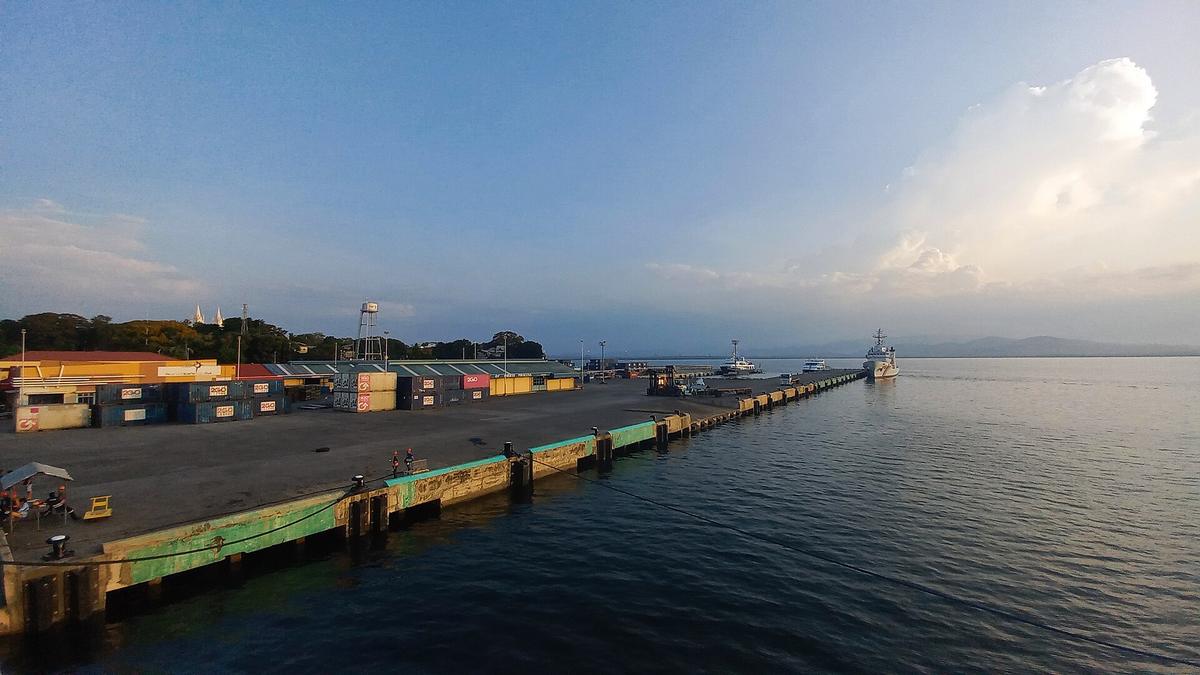
Most travellers land at Puerto Princesa International Airport, which sits roughly three kilometres from the city centre. The drive takes eight to ten minutes in normal traffic. From there, the logical first step is reaching the land-transport hub that serves the northbound route.
That hub moved on 6 January 2023. The city inaugurated a new bus and van terminal in Barangay Irawan, replacing the old San Jose terminal that still appears in many online guides. If you are following an older map or a screenshot from a forum, double-check that it points to Irawan and not the decommissioned site. The new terminal is where shared vans and buses for Port Barton and El Nido now consolidate.
Cash planning belongs at this stage too. Port Barton has at most two ATMs, and they are unreliable. Machines frequently run out of cash, especially during peak season, and most accommodation, restaurants and tour operators in the village are cash-only. Philippine bank ATMs charge foreign cards roughly ₱250 per withdrawal, with per-withdrawal limits typically between ₱10,000 and ₱20,000. The practical move is to withdraw enough pesos in Puerto Princesa before heading north, treating any machine in Port Barton as a backup at best.


Puerto Princesa to Port Barton by road
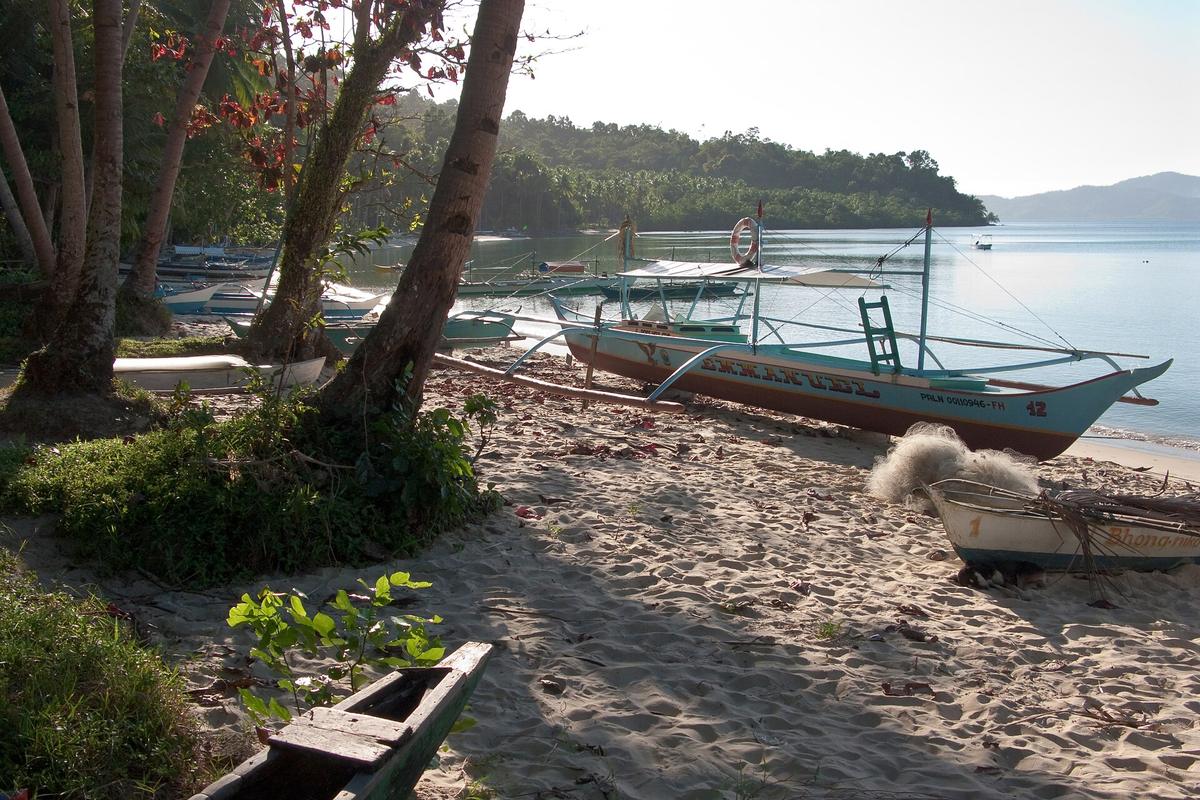
The distance from Puerto Princesa to Port Barton is roughly 145 to 160 kilometres, and a shared van typically covers it in about three and a half hours. The road winds through inland Palawan before dropping toward the coast at San Vicente, where Port Barton sits.
SBE Transport runs daily shared vans on this leg from its garage on BM Road at Cabanag Street. The service is a known quantity on the corridor, but departure times, fares and which operators are running on a given day shift week to week and by season. Rather than relying on a fixed schedule, check what is actually departing on your travel date. The responsible step is to confirm directly with the operator or through a booking platform that lists live availability.
Vans arrive at the Port Barton Bus Terminal on San Jose Road in Barangay San Pedro. A municipal ordinance requires all van pick-ups and drop-offs to take place at this terminal, not at individual hotels. The village centre is walkable from the terminal, so the rule is more of a logistical note than an inconvenience.
Port Barton to El Nido
The second leg stretches roughly 166 kilometres, with shared-van journey times ranging from three and a half to five hours depending on the operator and road conditions. Several companies work this route, including Recaro Transport, SBE Transport, Palajuanders, JCalbert, Lexxus Shuttle and Fortwally. The variety of operators means departure times and vehicle availability fluctuate, so the same principle applies as on the first leg: confirm on your travel date rather than assuming a timetable is fixed.
Vans from Port Barton to El Nido arrive at the El Nido Transport Terminal on Rizal Street in Barangay Corong-Corong. The terminal is about 1.2 kilometres from the main tourist area, roughly a ten-minute tricycle ride from El Nido town proper. That short final hop is straightforward, but it is worth knowing you are not being dropped in the centre of the beachfront action.
What to verify before each leg
Three things are worth checking afresh no matter how recently you researched the route.
First, shared-van departure times, fares and which operators are running on both the Puerto Princesa to Port Barton and Port Barton to El Nido segments change week to week and by season. A timetable that was accurate last month may not hold today. Confirm with the operator or a booking service that shows current availability.
Second, whether tricycles are permitted to pick up arriving passengers at Puerto Princesa International Airport has been in flux. A ban was proposed but paused. The situation may have shifted by the time you land. Check with airport staff or the city tourism office on arrival rather than assuming a particular vehicle type will be waiting.
Third, ATM availability and cash levels in Port Barton remain unpredictable. Even if a machine is reported as working, treat it as a fallback and carry all the cash you need from Puerto Princesa.
A realistic pace without the rush
Splitting the journey at Port Barton turns what could be a single exhausting transfer day into two shorter travel blocks with a genuine destination in between. The first leg from Puerto Princesa takes roughly half a day. You can arrive in Port Barton with daylight to spare, settle in, and still have an evening by the water. The second leg to El Nido is longer in distance and can stretch toward five hours, but starting from Port Barton rather than Puerto Princesa means you are already halfway up the coast.
This pacing also reduces the pressure of tight connections. Because van schedules are not guaranteed, building a stopover removes the risk of a delayed departure on the first leg cascading into a missed check-in or a lost tour day in El Nido. The tradeoff is that you commit to an extra set of logistics: two van bookings instead of one, and the need to carry enough cash through a village with limited banking. For travellers who value a slower rhythm and a quieter beach stop, that tradeoff is usually worth it.
Sources and verification
- phpride.com — Research source checked for this guide
- palawan-news.com — Research source checked for this guide
- welcomepickups.com — Research source checked for this guide
- islafy.com — Research source checked for this guide
- pamasahe.com — Research source checked for this guide
- 12go.asia — Research source checked for this guide
Read next
-

 Palawan Hotels by Town and Type, From Hostels to Island Resorts
Palawan hotels by town and type: what you trade in comfort, location, and generator hours at each price point from Coron to Port Barton.
-
 Where to Stay in Palawan, Which Town and in What Order
Where to stay in Palawan isn't about the best hotel — it's about which town, in what order, and how many nights before transit steals a day.
-
 Palawan Flights, Which Airport to Fly Into and From Where
Palawan has three airports—PPS, USU, and ENI—and picking the wrong one adds a full day of transit. Here is which airport serves which town and where flights connect.
-
 Palawan Things to Do, Town by Town and Tour by Tour
Which Palawan tours earn a full day: El Nido Tour A vs C, Coron wreck dives, Underground River permits, and what's skippable in monsoon season.
-
 Best Time to Visit Palawan, Month by Month and Coast by Coast
Palawan month by month: which coast gets calm seas, when boat tours cancel, and how domestic holidays spike prices and crowds regardless of weather.
-
 Getting Around Palawan by Van, Ferry and Plane, With Real Times
Vans wait until full, ferries cross rough seas, and a 90km road can take 5 hours. Real transit times and costs for getting around Palawan.
-
 Coron
Coron town on Busuanga is a functional dive hub with limited beaches—the real draw is Coron Island's lakes and WWII wrecks, reached by bangka day trips only.
-
 San Vicente
 offers a 14-kilometre Long Beach and low-density Palawan seclusion, but it is an emerging zone with generator power and limited facilities.
-
 Puerto Princesa to El Nido by Van, Bus or Plane, With Real Times
The Puerto Princesa to El Nido van takes 5 to 6 hours on a paved road, but shared vans only depart when full, turning a scheduled trip into a waiting game.