The Best Time to Visit Palawan for Calm Seas and Running Boats
Palawan month by month: which coast gets calm seas, when boat tours cancel, and how domestic holidays spike prices and crowds regardless of weather.
The Best Time to Visit Palawan
The best time to visit Palawan is a logistical decision, not a seasonal one. You choose your dates based on which coast you want to explore and your tolerance for unpredictable boat cancellations. The islands are split by the northeast monsoon and southwest monsoon, creating two distinct weather calendars for El Nido and Coron. Book your flights and liveaboard booking around these windows, then work backwards from the crowds.
Your primary concern is the rough crossing between destinations. The ferry from Coron to El Nido is frequently cancelled from June to October, often for days in a row. A week-long trip that relies on this connection during the Habagat season is a gamble. Plan for a minimum of seven days on a single coast to avoid losing a full day to transit.
The Two Seasonal Patterns
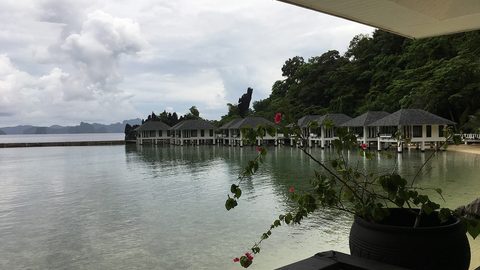
Palawan's weather is governed by two monsoons. The dry season, or Amihan, runs from December to May, bringing calm winds from the northeast. This is the peak season for island hopping on the west-facing Bacuit Bay near El Nido. The southwest monsoon, or Habagat, dominates from June to October, bringing rain and swells that shut down boat tours on El Nido's coast.
Coron, facing east, is more protected during the Habagat season. Its famous lake tours operate year-round, though sites on its western side can close during swells. The shoulder month transitions in late May and early November bring unpredictable weather, but often offer a balance of fewer crowds and passable conditions.

.jpg)
Palawan Weather by Month and the Monsoon Split
Understanding Palawan weather by month means tracking which monsoon is active. This monthly breakdown answers two questions for every period: which coast has calm seas for boat tours, and whether seasonal crowds or closures make the trip worthwhile. The dry season offers reliability, but the monsoon months can work if you choose the right base.
| Month | El Nido (West Coast) | Coron (East Coast) | Verdict |
|---|---|---|---|
| January | Prime season. Calm seas for island hopping. Warm, sunny days. | Excellent conditions. Lake tours and wreck diving are fully operational. | Ideal weather, but thick crowds from the <strong>Christmas surge</strong>. Book months ahead. |
| February | Perfect boat weather. Heat begins to build. | Reliable diving and touring. Beware the <strong>Chinese New Year spike</strong> in mid-range hotel prices. | One of the best months to visit, but check lunar calendar for holiday price hikes. |
| March | The heat intensifies, but seas remain flat. The <strong>Tubbataha window</strong> opens for liveaboards. | Superb conditions. A great month to avoid the peak heat on the water. | Excellent for serious divers. Book Tubbataha trips 12+ months in advance. |
| April | Peak heat and humidity. Boat conditions are still excellent. | Hot but manageable on the water. Easter can bring a <strong>Holy Week gridlock</strong>. | Time your trip to avoid the Easter week unless you enjoy sold-out tours and traffic. |
| May | The <strong>dry season</strong> finale. Transition to <strong>Habagat</strong> may bring late-month rain. | Conditions remain good. A solid <strong>shoulder month</strong> before the monsoon. | A good last-chance for calm seas with slightly thinner crowds. |
| June | <strong>Habagat season</strong> begins. Frequent <strong>boat cancellation</strong> for island-hopping tours. | West-side sites may close, but Kayangan Lake tours run. Seas choppy. | Switch your base to Coron if travelling now. El Nido is a write-off for boat tours. |
| July | Heavy rain and rough seas. Most island-hopping is suspended. | Tours operate but are weather-dependent. Prepare for rain showers. | Only for the flexible traveller. Have a Plan B for rainy days. |
| August | The wettest month. Expect prolonged rain and cancelled boats. | Similar to July. Boat trips are a day-by-day decision. | Not recommended. This is the peak of the <strong>Palawan rainy season</strong>. |
| September | Rains continue. The famous lagoons become a <strong>jellyfish lagoon</strong> hazard. | Conditions start to improve slightly by late month. Still unpredictable. | A challenging month. Infrastructure like unpaved roads can become impassable. |
| October | The monsoon weakens. Boat tours may resume sporadically late in the month. | Weather becomes more reliable. A great <strong>shoulder month</strong> for Coron. | Coron is a good bet from October onward. El Nido remains risky. |
| November | Transition period. Seas calm down, making boat tours viable again. | Excellent conditions return. Crowds are still light. | A fantastic month to visit both coasts, with the <strong>Christmas surge</strong> yet to hit. |
| December | Prime season returns. Book everything early due to <strong>domestic tourism</strong> demand. | Ideal conditions. The holiday rush makes advance booking essential. | Wonderful weather, but the busiest and most expensive time of year. |
Palawan Rainy Season Realities
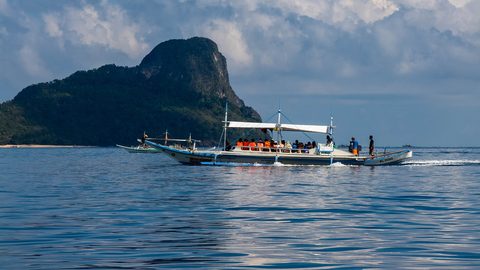
The Palawan rainy season from June to October is not a uniform washout. It demands a strategic approach. Coron, sheltered from the prevailing southwesterly winds, is your only viable base for boat-based activities. Even there, tours to sites like the Twin Lagoon are subject to last-minute boat cancellation based on daily swell conditions.
Land-based travel becomes a major friction point. The road from El Nido to Port Barton, already rough, can become a mud-filled challenge after heavy rain. Domestic tourism dwindles, which means fewer shared van departures; a scheduled van may wait hours to fill up, destroying your itinerary. Budget for private transfers if you need to keep to a schedule during the monsoon.
The Habagat Months
If you visit during the Habagat season, focus on Coron's inland attractions. Kayangan Lake is accessible year-round, but arrive before 8am to have the famous viewpoint to yourself. Diving the WWII wrecks in Coron Bay is also less affected by surface conditions. Be prepared for frequent power outages in smaller towns like Port Barton, where generators shut down from 6am to 2pm.
The key is flexibility. Do not pre-book a tight sequence of tours. Check with operators each morning. Use rainy days for land-based activities: visit the Culion Museum or explore the Puerto Princesa Underground River, which operates year-round unless a typhoon warning is issued.
El Nido Best Months for Lagoons and Island Hopping
The El Nido best months are December to May. During this Amihan season, the west-facing Bacuit Bay is a placid turquoise expanse, allowing all island-hopping tours (A, B, C, and D) to run smoothly. This is when you can kayak into the Big Lagoon without fighting a strong current and snorkel in clear, calm waters.
The trade-off is intense crowding from March onwards. The Small Lagoon is packed with 40-plus visitors by 10am. To experience these famous spots, you must start your tour early. The March heat is also a real factor; the sun is relentless on the water, so quality sun protection is non-negotiable.
Avoiding the Gridlock
Schedule your El Nido trip to avoid two specific crowd events: the Holy Week gridlock around Easter and the Christmas surge from December 22 to January 2. During these periods, the small town becomes choked with visitors, tours sell out, and accommodation prices skyrocket. The Chinese New Year spike also causes a noticeable jump in mid-range hotel rates, so check the lunar calendar.
For a balance of good weather and manageable numbers, target the shoulder month of November or late May. Late May marks the transition into the monsoon, so a boat cancellation is possible, though less likely than in full summer.


Coron Diving Season and Year-Round Access
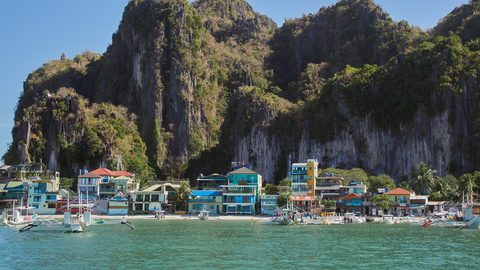
Coron offers a longer reliable diving season than El Nido, thanks to its geography. While the absolute best conditions are during the dry season, wreck diving in Coron Bay and tours to Kayangan Lake operate year-round. The critical difference is that sites on the western side of Coron Island, like Barracuda Lake, may be inaccessible during the southwest monsoon due to swells.
For dedicated divers, the wrecks like the Irako are dived consistently. Visibility can drop after heavy rains. The Skeleton Wreck remains a superb shallow snorkel spot at low tide regardless of the season. Coron town itself is a functional hub, not a beautiful beach destination, so your focus here is squarely on the water.
The Tubbataha Reefs Window
For the ultimate Coron diving season experience, look beyond the local wrecks to the Tubbataha Reefs. This first-rate marine park is accessible only by liveaboard from mid-March to mid-June. This short Tubbataha season offers the best chance to see pelagic species on the reef's walls. Book these trips a full year in advance, as spaces are limited.
Tubbataha Season: a Liveaboard Commitment
The Tubbataha season is a distinct event on the Palawan diving calendar. From mid-March to mid-June, liveaboard vessels make the 10-12 hour crossing from Puerto Princesa to the remote Tubbataha Reefs Natural Park. This is not a day trip. It is a multi-day commitment for competent divers, with trips lasting 5-7 nights.
The payoff is the best diving in the Philippines, with shark-filled walls and manta ray cleaning stations. The North and South Atolls experience strong currents, making this unsuitable for novices. Securing a spot requires planning; initiate your liveaboard booking 12 months ahead of your intended travel date. This is the one Palawan activity that demands such extreme advance planning.
Common Questions
What is the worst month to visit Palawan?
August is the most challenging month. It is the peak of the southwest monsoon, bringing heavy rain to the entire region. El Nido's boat tours are almost entirely suspended, and even Coron's operations are frequently disrupted. Road travel can be difficult due to muddy, unpaved sections.
Can I visit both El Nido and Coron in one week during the rainy season?
No. The ferry between Coron and El Nido is routinely cancelled from June to October, often for multiple days consecutively. Attempting to visit both in a seven-day trip during this period is a high-risk strategy that will likely result in a cancelled transfer and a ruined itinerary. Focus on one coast.
Is it safe to travel to Palawan during typhoon season?
Palawan lies south of the Philippines' main typhoon belt, so the risk is lower than in Luzon or the Visayas. However, it is not zero. Typhoon warnings will suspend all boat tours, including the Puerto Princesa Underground River access, and can cause flight cancellations. Always check PAGASA forecasts before and during your trip.
How far in advance should I book tours for Holy Week?
Book everything, accommodation, van transfers, and island-hopping tours, at least three to four months before Holy Week. This period sees a massive influx of domestic tourists, leading to a complete sell-out of services and severe congestion in small towns like El Nido and Sabang.
What is the best month for avoiding crowds but still getting good weather?
November is the ideal shoulder month. The southwest monsoon has ended, seas are calming down, and boat tours in El Nido are becoming reliable again. The major Christmas surge of domestic tourism has not yet begun, so you'll find thinner crowds and better availability.
Read next
-
 Palawan Hotels by Town and Type, From Hostels to Island Resorts
Palawan hotels by town and type: what you trade in comfort, location, and generator hours at each price point from Coron to Port Barton.
Palawan Hotels by Town and Type, From Hostels to Island Resorts
Palawan hotels by town and type: what you trade in comfort, location, and generator hours at each price point from Coron to Port Barton.
-
 Where to Stay in Palawan, Which Town and in What Order
Where to stay in Palawan isn't about the best hotel — it's about which town, in what order, and how many nights before transit steals a day.
Where to Stay in Palawan, Which Town and in What Order
Where to stay in Palawan isn't about the best hotel — it's about which town, in what order, and how many nights before transit steals a day.
-
 Palawan Flights, Which Airport to Fly Into and From Where
Palawan has three airports—PPS, USU, and ENI—and picking the wrong one adds a full day of transit. Here is which airport serves which town and where flights connect.
Palawan Flights, Which Airport to Fly Into and From Where
Palawan has three airports—PPS, USU, and ENI—and picking the wrong one adds a full day of transit. Here is which airport serves which town and where flights connect.
-
 Palawan Things to Do, Town by Town and Tour by Tour
Which Palawan tours earn a full day: El Nido Tour A vs C, Coron wreck dives, Underground River permits, and what's skippable in monsoon season.
Palawan Things to Do, Town by Town and Tour by Tour
Which Palawan tours earn a full day: El Nido Tour A vs C, Coron wreck dives, Underground River permits, and what's skippable in monsoon season.
-
 Getting Around Palawan by Van, Ferry and Plane, With Real Times
Vans wait until full, ferries cross rough seas, and a 90km road can take 5 hours. Real transit times and costs for getting around Palawan.
Getting Around Palawan by Van, Ferry and Plane, With Real Times
Vans wait until full, ferries cross rough seas, and a 90km road can take 5 hours. Real transit times and costs for getting around Palawan.
-
 Palawan Itinerary for 5, 7, 10 and 14 Days With Real Transit
Palawan itineraries for 5, 7, 10 and 14 days with real van times, ferry crossings, and monsoon backups built in — not just a list of lagoons.
Palawan Itinerary for 5, 7, 10 and 14 Days With Real Transit
Palawan itineraries for 5, 7, 10 and 14 days with real van times, ferry crossings, and monsoon backups built in — not just a list of lagoons.
-
 Coron
Coron town on Busuanga is a functional dive hub with limited beaches—the real draw is Coron Island's lakes and WWII wrecks, reached by bangka day trips only.
Coron
Coron town on Busuanga is a functional dive hub with limited beaches—the real draw is Coron Island's lakes and WWII wrecks, reached by bangka day trips only.
-
 San Vicente
 offers a 14-kilometre Long Beach and low-density Palawan seclusion, but it is an emerging zone with generator power and limited facilities.
San Vicente
San Vicente offers a 14-kilometre Long Beach and low-density Palawan seclusion, but it is an emerging zone with generator power and limited facilities.
-
 Puerto Princesa to El Nido by Van, Bus or Plane, With Real Times
The Puerto Princesa to El Nido van takes 5 to 6 hours on a paved road, but shared vans only depart when full, turning a scheduled trip into a waiting game.
Puerto Princesa to El Nido by Van, Bus or Plane, With Real Times
The Puerto Princesa to El Nido van takes 5 to 6 hours on a paved road, but shared vans only depart when full, turning a scheduled trip into a waiting game.