Tubbataha Reefs Liveaboard Diving From Puerto Princesa
Tubbataha Reefs liveaboard diving runs only March to June and requires booking 12 months ahead. Here is what the North and South Atolls deliver and why walk-up is impossible.

On prices: the figures on this page were gathered in September 2026 and are given as bands rather than current quotes. Rates, fees and timetables change every season - check with the operator before you book.
The Tubbataha Reefs Booking Reality Check
You cannot book a Tubbataha Reefs liveaboard diving trip on a whim. The entire operation runs on a brutally short, three-month season from mid-March to mid-June, and the handful of liveaboard vessels that have permits sell out a full year in advance. This is not a suggestion. It is the non-negotiable timeline for accessing one of the most intact marine environments on the planet. What you are committing to is a week-long expedition into the remote Sulu Sea, departing exclusively from Puerto Princesa, for a series of dives defined by sheer abundance and power.
- Operating Season: Mid-March to mid-June
- Booking Advice: Secure your spot 12 months in advance
- Departure Port: Puerto Princesa City
- Trip Duration: 6 to 7 days
- Typical Number of Dives: 14 to 18
- Marine Park Fee (2025): PHP 5,000 per person
- Minimum Recommended Dives: 50 logged dives
- Common Certification: Advanced Open Water Diver
What Exactly You Are Booking For: the Tubbataha Reefs Liveaboard Diving Experience
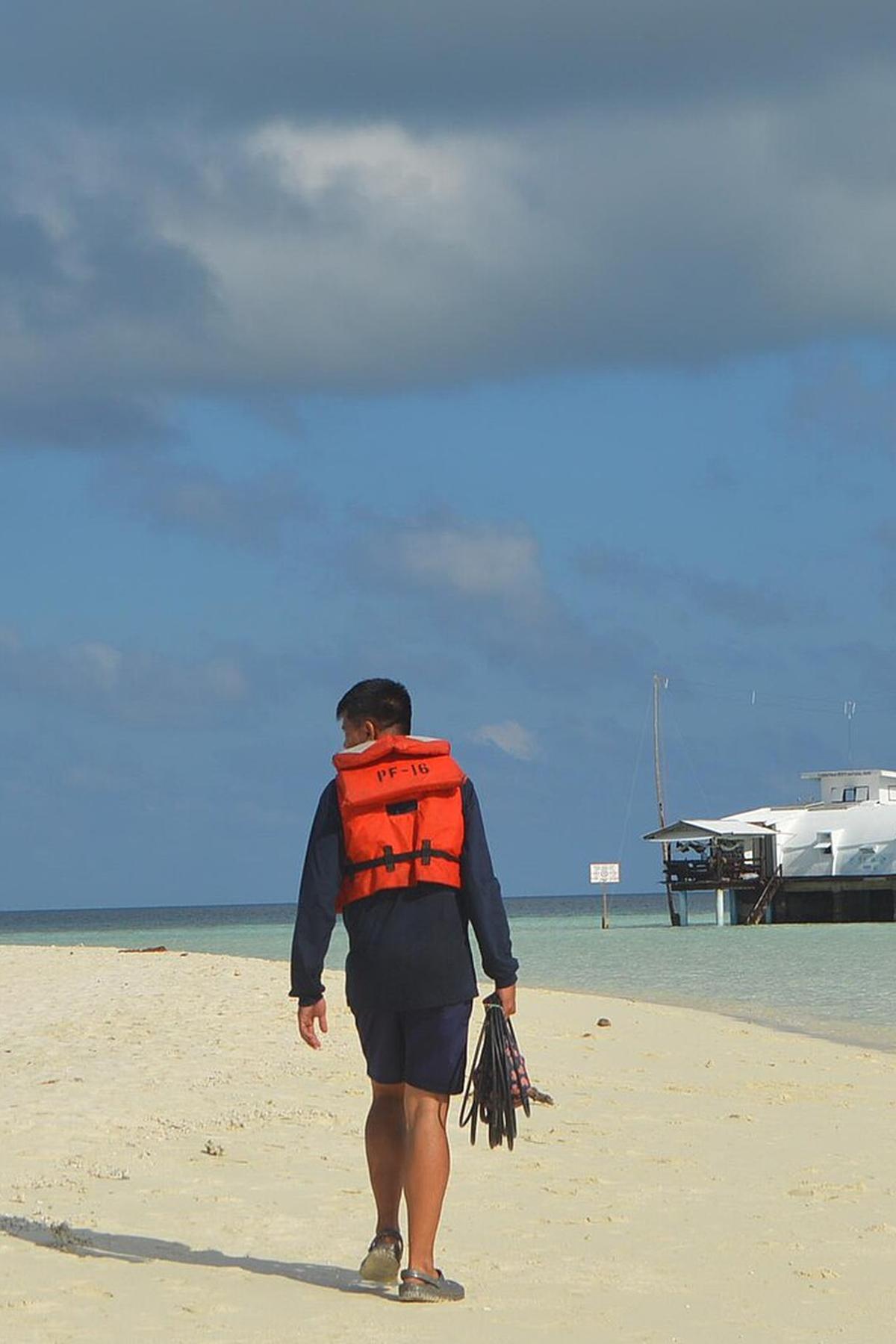
Your booking secures a slot on a liveaboard vessel for a dedicated journey to the Tubbataha Reefs Natural Park, a UNESCO World Heritage site since 1993. The park comprises two primary atolls, the North Atoll and the South Atoll, plus the smaller Jessie Beazley Reef. There are no day trips here. The reef site is 150 kilometers offshore in the central Sulu Sea. The liveaboard model is the only way in. The season is fixed to the March-to-June window because these months offer the calmest sea conditions in the otherwise turbulent Sulu Sea, making the long transit and diving operations possible.
The Liveaboard Vessel Is Your Base
The liveaboard vessel is your floating hotel, dive shop, and restaurant for the entire week. These are purpose-built boats with a dedicated dive deck, compressors for filling tanks, and nitrox available for certified divers. The itinerary is focused entirely on diving. Schedule four dives a day. There are no alternative activities for non-divers. This trip is for competent scuba divers only. The journey begins and ends in Puerto Princesa, not the more northern hubs of Coron or El Nido.
Tubbataha Reefs Booking Timeline
Walk-up booking does not exist. The limited number of vessels and the extremely short season create overwhelming demand. Book your spot a full 12 months ahead of your intended travel date. If you want to dive in May 2027, contact liveaboard operators and secure your reservation in May 2026. The marine park permit fee, set at PHP 5,000 per person for 2025 by the Tubbataha Management Office, is included in your liveaboard package cost and paid on your behalf to secure your entry.
Tubbataha North Atoll Shark Walls
The North Atoll is famous for its dramatic vertical walls that plunge from shallow coral gardens to depths exceeding 100 meters. These structures are cleaning stations and highways for pelagic life. Expect large schools of jacks and snappers massing in the blue, patrolled by whitetip reef sharks, grey reef sharks, and the occasional tiger or hammerhead. Visibility can stretch to 45 meters on good days. These encounters are breathtakingly clear. Dives are conducted as drifts along the walls, swept by gentle to moderate currents that bring the reef to life.
Tubbataha South Atoll Manta Cleaning Stations
The South Atoll offers a different character, with sprawling coral gardens and its key attraction: manta cleaning stations. These are specific coral bommies where mantas hover to let smaller fish clean them of parasites. Eagle rays and marble rays visit here too. The topography includes current-swept channels that funnel nutrients and attract massive schools of barracuda and trevally. Water temperatures stay warm, ranging from 26°C to 30°C. The real draw is the guaranteed pelagic action that defines the South Atoll experience.
Sulu Sea Liveaboard Diving Logistics
This is advanced diving. Operators recommend a minimum of 50 logged dives and an Advanced Open Water Diver certification. You need good buoyancy control for the deeper walls and stronger currents, and to protect the fragile coral. Get your nitrox certification. It extends your bottom time on repetitive dives. The journey from Puerto Princesa to the reef site is an overnight steam, placing you firmly in the remote Sulu Sea. A year-round ranger station on the North Atoll, staffed by rotating teams from the Tubbataha Management Office, underscores the park's protected status and the seriousness with which it is managed.
Who Should Not Book This Trip
This expedition is not for new divers, non-divers, or anyone seeking luxury resort comforts. The liveaboard experience is communal and focused solely on diving. If your Philippines itinerary is shorter than two weeks, cramming in a 7-day Tubbataha liveaboard leaves no time for anything else. This is a commitment for dedicated divers who understand the investment required for serious underwater encounters.
Common Questions
Can I visit Tubbataha Reefs without being a diver?
No. The Tubbataha Reefs Natural Park has no land-based facilities, no snorkeling operations, and no alternative activities. The liveaboard trips are designed for scuba diving, and the entire week's schedule revolves around dive times. Non-divers would find themselves with nothing to do on the boat and would be paying a premium for an experience they cannot participate in.
Why is the season so short for Tubbataha liveaboard diving?
The season is restricted to the March to June window because this period offers the calmest and most predictable sea conditions in the Sulu Sea. The rest of the year, particularly from July to October, brings monsoon rains and dangerously rough seas that make the long transit to the remote reefs impossible and diving operations unsafe.
Is technical diving allowed in Tubbataha?
Yes, technical diving is possible on specific sites, such as the deeper walls of the North Atoll, but it must be arranged in advance with your liveaboard operator. Standard recreational diving limits are the norm, and all diving is conducted within the rules set by the Tubbataha Management Office to protect the reef.
How rough is the crossing to Tubbataha Reefs?
The transit from Puerto Princesa to the reef site takes place overnight in the open Sulu Sea. While the March to June window is chosen for its calmer conditions, the Sulu Sea can still be unpredictable. Seas can be choppy, and those prone to seasickness should come prepared with medication.
What is the best month to dive Tubbataha?
The entire season from mid-March to mid-June offers excellent conditions. April and May are often considered prime time, with a very high probability of calm seas and optimal visibility, though the heat can be intense. Booking based on your schedule 12 months out is more critical than trying to pinpoint a slightly better week within the season.
Are sharks guaranteed on a Tubbataha dive trip?
While nothing in nature is guaranteed, sightings of several shark species are so common on the North Atoll's shark walls that they are a fundamental expectation of the trip. The health of the ecosystem makes encounters with whitetip and grey reef sharks virtually certain on every trip during the season.
What happens if bad weather cancels my trip?
Liveaboard operators have strict safety protocols. If weather prevents sailing, trips may be delayed or, in rare cases, cancelled. Before you book, read the operator's cancellation and rescheduling policy. Buy travel insurance that covers trip interruption.
Read next
-
 Puerto Princesa Hotels for the Night Before the Van North
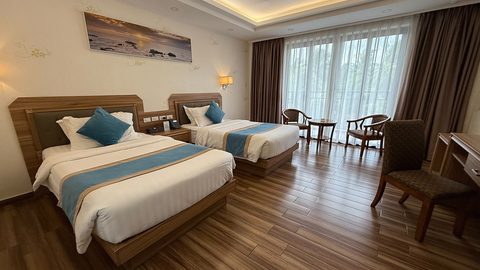
Puerto Princesa hotels that work for a single transit night: close to the airport or van terminal, with early checkout and a clean bed before your 5-hour shared van north.
Puerto Princesa Hotels for the Night Before the Van North
Puerto Princesa hotels that work for a single transit night: close to the airport or van terminal, with early checkout and a clean bed before your 5-hour shared van north.
-
 Honda Bay
 island hopping from Puerto Princesa visits Cowrie, Starfish, and Luli islands on a full-day bangka tour—the best use of a day if you are not continuing to El Nido.
Honda Bay
Honda Bay island hopping from Puerto Princesa visits Cowrie, Starfish, and Luli islands on a full-day bangka tour—the best use of a day if you are not continuing to El Nido.
-
 Puerto Princesa Underground River
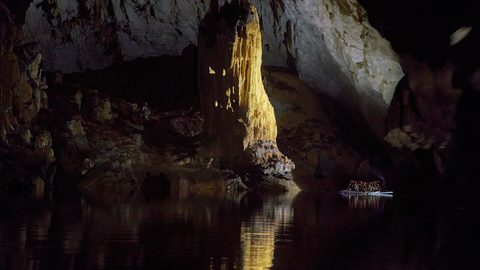
The Puerto Princesa Underground River at Sabang requires an advance permit booked online 2+ weeks ahead—without it you risk no slot. Here is the full logistics.
Puerto Princesa Underground River
The Puerto Princesa Underground River at Sabang requires an advance permit booked online 2+ weeks ahead—without it you risk no slot. Here is the full logistics.
-
 Puerto Princesa Firefly Watching on the Iwahig River
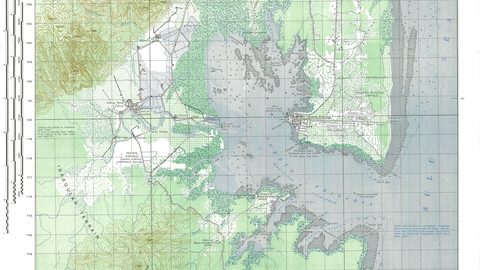
Puerto Princesa firefly watching on the Iwahig River is a paddle boat night tour through mangroves that works best in dry weather and costs 1,500 to 2,000 PHP.
Puerto Princesa Firefly Watching on the Iwahig River
Puerto Princesa firefly watching on the Iwahig River is a paddle boat night tour through mangroves that works best in dry weather and costs 1,500 to 2,000 PHP.
-
 Staying Connected in Palawan From Puerto Princesa to El Nido and Coron
Stay connected from Puerto Princesa to El Nido and Coron. Know when to save maps, tickets, and bookings before vans, ferries, and island tours.
Staying Connected in Palawan From Puerto Princesa to El Nido and Coron
Stay connected from Puerto Princesa to El Nido and Coron. Know when to save maps, tickets, and bookings before vans, ferries, and island tours.