El Nido or Coron for Snorkeling Lagoons and Island Hopping
A practical guide to El Nido or Coron for Snorkeling Lagoons and Island Hopping.
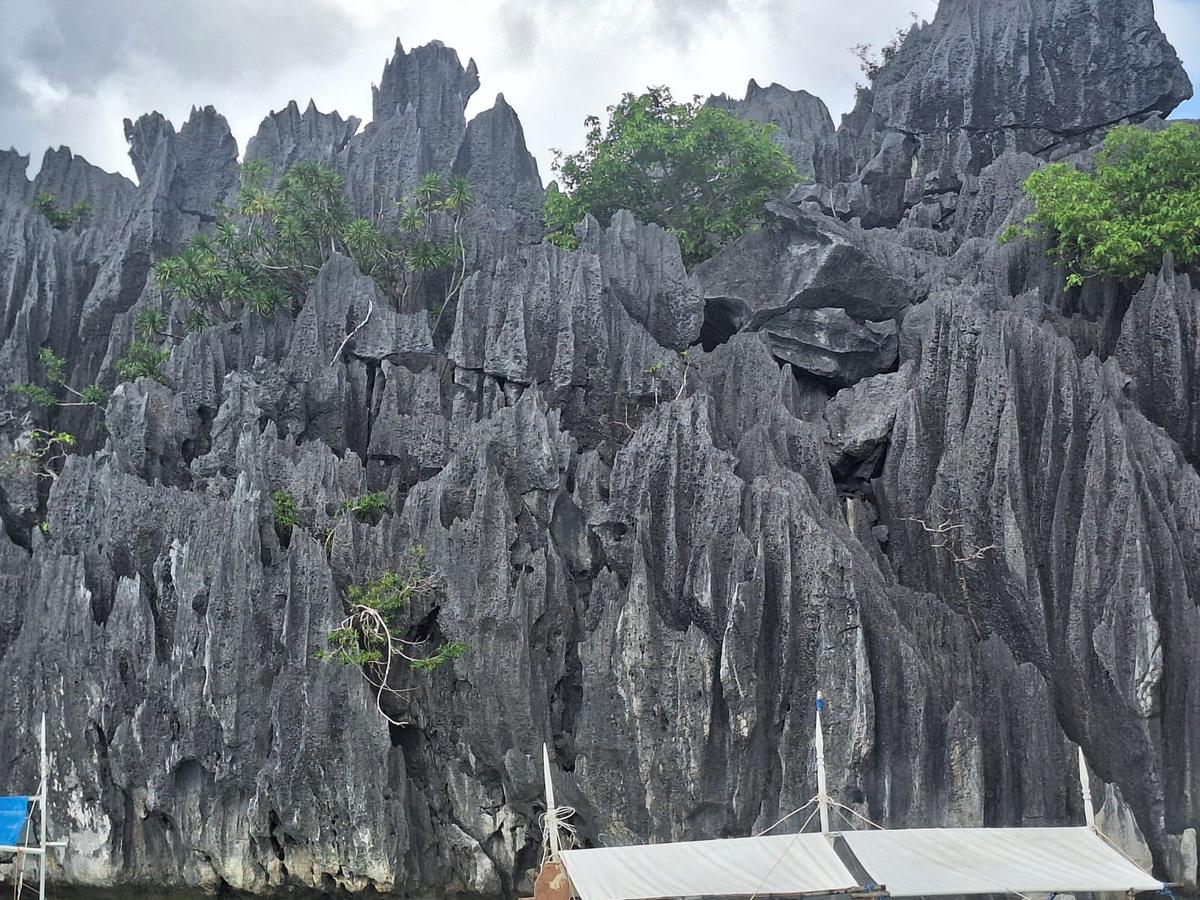

How the two destinations shape your day on the water
The choice between El Nido and Coron changes what you see, how you move and who manages the places you visit. Both sit in northern Palawan and both deliver limestone karst scenery, clear water and a full day on a boat. The difference lies in what sits beneath the surface and who holds the keys to the lagoons.
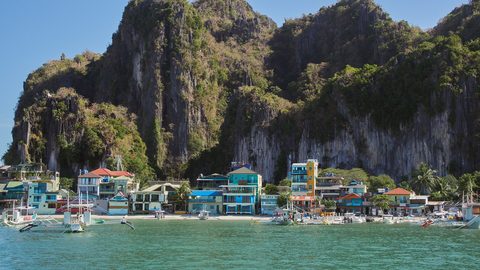
El Nido operates inside Bacuit Bay, a seascape of towering cliffs and hidden inlets protected since 1991 as part of the El Nido-Taytay Managed Resource Protected Area. The protected zone spans over 36,000 hectares of land and 54,000 hectares of marine waters. Coron centres on Coron Island, the ancestral domain of the Tagbanua people, who hold a Certificate of Ancestral Domain Title covering 24,529 hectares of land and surrounding waters. That title, awarded in 2008, was the first in the Philippines to include traditional fishing grounds. When you pay a fee in Coron, you are paying the Tagbanua community directly. When you pay a fee in El Nido, you are paying a municipal and national protected-area system.
Lagoons and lakes compared
El Nido gives you two lagoons that have become the defining images of Palawan tourism. Big Lagoon and Small Lagoon sit inside Bacuit Bay and are now paddle-only zones. Motorised bangkas must anchor outside, and visitors enter by kayak or a paddled craft. Each lagoon carries a separate entrance fee collected by the DENR Protected Area Management Board, on top of the municipal Eco-Tourism Development Fee and the tour price.
Coron gives you freshwater lakes enclosed by limestone cliffs on Coron Island. Kayangan Lake and Barracuda Lake are the headliners, both managed by the Tagbanua community under a Visitor Management Program. The experience is different from a tidal lagoon: you swim in still, thermocline-layered freshwater with rock walls rising straight from the water. Entrance fees for these lakes go to the Tagbanua Tribe Association, not to a national park office.
If your priority is the classic Palawan lagoon photograph, El Nido delivers it. If you want the unusual sensation of swimming in a cliff-walled freshwater lake, Coron is the only place that offers it.
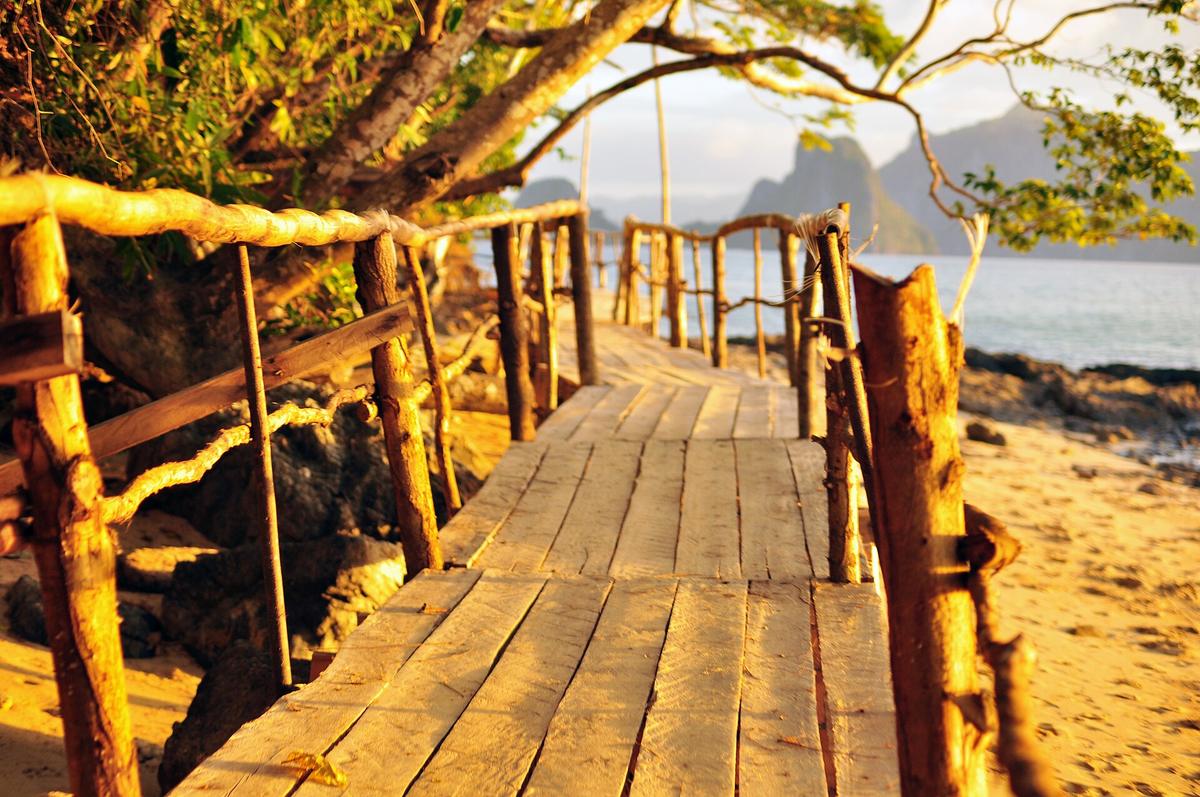

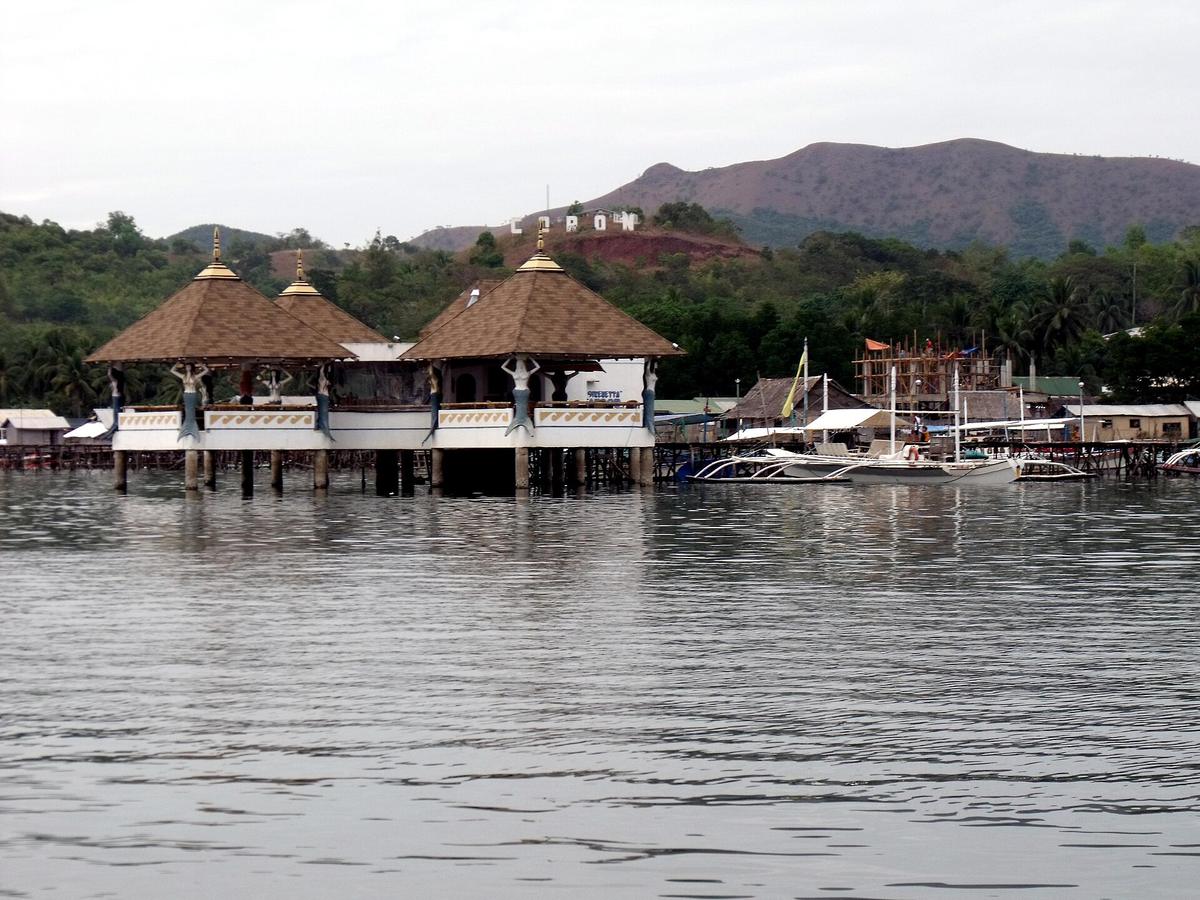

What lies beneath the surface
Coron holds something El Nido does not: a fleet of Japanese World War II supply ships sunk on 24 September 1944 by US air raids. Several wrecks in Coron Bay lie in water shallow enough for snorkellers to view without dive certification. The Lusong Gunboat and East Tangat Gunboat are the most accessible examples, their outlines clearly visible from the surface. This adds a historical layer to a Coron snorkelling day that El Nido cannot match.
El Nido's underwater appeal is reef-focused. The Bacuit Bay sites on the standardised tour routes include coral gardens and fish-rich shallows around islands like Shimizu Island. The experience is a more traditional tropical snorkelling day, with the lagoons as the scenic anchor rather than a wreck.
How the tours are packaged
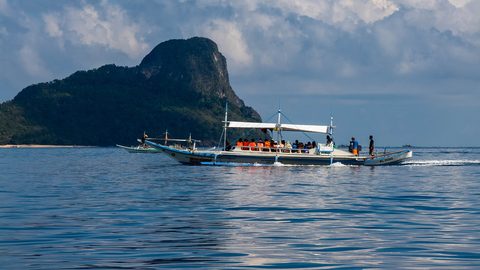
El Nido standardises its island-hopping into four lettered routes under a municipal ordinance. Tour A covers Big Lagoon, Shimizu Island, Payong-Payong, Secret Lagoon and Seven Commandos Beach. Tours B, C and D each follow a fixed itinerary, which makes comparison shopping straightforward. You know exactly which lagoons and beaches you will visit before you book.
Coron sells its shared tours as numbered or named packages. Budget Tour A and Budget Tour B split the main attractions, with Kayangan Lake on one route and Twin Lagoon plus Barracuda Lake on another. The Super Ultimate Tour combines all three into a single day. This gives you a clearer tradeoff: pick a budget route and accept you will miss a major lake, or pay for the combined package and cover everything.
Fees and who collects them
Both destinations layer fees on top of the tour price, and the totals can surprise a first-time visitor. El Nido charges a mandatory Eco-Tourism Development Fee for visitors from outside Palawan, valid for 10 days. The municipality's published ordinance states one figure but operators uniformly charge another. Before budgeting, confirm the current rate with the El Nido Municipal Tourism Office. On top of that, the Big Lagoon and Small Lagoon each carry a separate per-person entrance fee collected by the DENR Protected Area Management Board.
Coron collects a municipal environmental fee separate from the Tagbanua lake entrance fees. The lake fees are published by operators rather than an official government rate schedule, so the amounts can shift. Confirm the current Tagbanua-collected fees with the Coron Municipal Tourism Office before travel. The structure is simpler in one sense: you pay the community directly for each lake you enter, and the money stays on Coron Island.
Getting there and moving between them
As of early 2026, the flight map for northern Palawan changed significantly. All turboprop services moved from Manila to Clark International Airport in Pampanga under a Department of Transportation directive. Cebgo operates the Clark-El Nido and Clark-Busuanga routes. There are no direct flights from Manila to either destination. Before booking, confirm current routes, airlines and schedules directly with Cebgo, as frequencies can change.
If you want to visit both El Nido and Coron in one trip, a fast ferry connects them. The scheduled crossing takes approximately three and a half hours, though in practice the journey often runs to four or five hours. The number of operating companies and sailing days has fluctuated. As of late 2026, only one operator was sailing on a limited three-day weekly schedule. Confirm current operators and sailing days with the El Nido Municipal Tourism Office ferry advisory before locking in an itinerary that depends on this connection.
Making the choice
Pick El Nido if your mental image of Palawan is a kayak slipping through a narrow limestone opening into still, cliff-walled water. The paddle-only lagoon experience is the centrepiece, and the standardised tour routes remove guesswork from planning. The protected-area framework means a more uniform, municipally managed visitor system.
Pick Coron if you want variety in a single day: a freshwater lake swim, a snorkel over a shallow shipwreck and the knowledge that your entrance fees support an indigenous community managing its ancestral domain. The Tagbanua presence makes Coron a culturally distinct experience, not just a scenic one.
If you cannot decide and have enough days, doing both is feasible. The ferry exists for exactly that purpose. Just check the current sailing schedule before you build an itinerary around it.
Sources and verification
- whc.unesco.org — Research source checked for this guide
- pana.ph — Research source checked for this guide
- adb.org — Research source checked for this guide
- repository.seafdec.org.ph — Research source checked for this guide
- safetystopdiveshop.com — Research source checked for this guide
- travelshifu.com — Research source checked for this guide
Read next
-
 Palawan Hotels by Town and Type, From Hostels to Island Resorts
Palawan hotels by town and type: what you trade in comfort, location, and generator hours at each price point from Coron to Port Barton.
-
 Where to Stay in Palawan, Which Town and in What Order
Where to stay in Palawan isn't about the best hotel — it's about which town, in what order, and how many nights before transit steals a day.
-
 Palawan Flights, Which Airport to Fly Into and From Where
Palawan has three airports—PPS, USU, and ENI—and picking the wrong one adds a full day of transit. Here is which airport serves which town and where flights connect.
-
 Palawan Things to Do, Town by Town and Tour by Tour
Which Palawan tours earn a full day: El Nido Tour A vs C, Coron wreck dives, Underground River permits, and what's skippable in monsoon season.
-
 Best Time to Visit Palawan, Month by Month and Coast by Coast
Palawan month by month: which coast gets calm seas, when boat tours cancel, and how domestic holidays spike prices and crowds regardless of weather.
-
 Getting Around Palawan by Van, Ferry and Plane, With Real Times
Vans wait until full, ferries cross rough seas, and a 90km road can take 5 hours. Real transit times and costs for getting around Palawan.
-
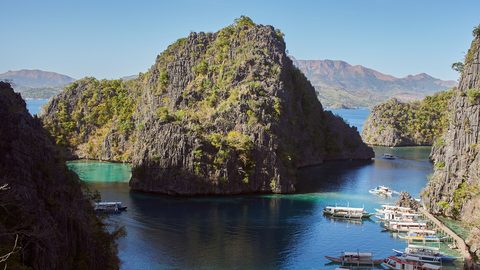 Coron
Coron town on Busuanga is a functional dive hub with limited beaches—the real draw is Coron Island's lakes and WWII wrecks, reached by bangka day trips only.
-
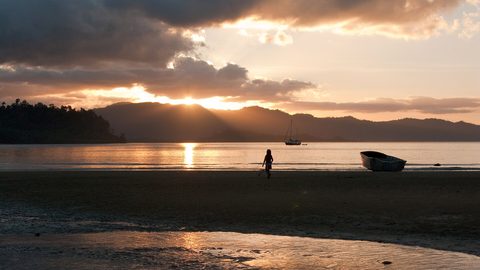 San Vicente
 offers a 14-kilometre Long Beach and low-density Palawan seclusion, but it is an emerging zone with generator power and limited facilities.
-
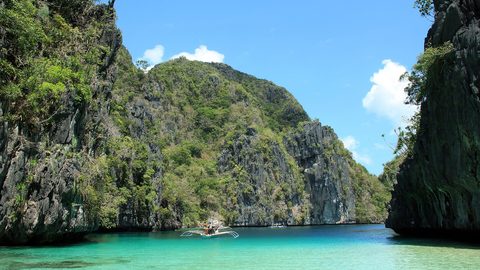 Palawan During Rough Seas Backup Plans When Boats Stop
A practical guide to Palawan During Rough Seas Backup Plans When Boats Stop.