San Vicente, Palawan, the Quieter Stop Between the Big Towns
San Vicente offers a 14-kilometre Long Beach and low-density Palawan seclusion, but it is an emerging zone with generator power and limited facilities.
- Flag
-

- ISO code
- PH
- Currency
- PHP
- Timezone
- Asia/Manila
San Vicente Palawan is What You Imagined El Nido Might Have Been
You want a long, empty Palawan beach without the crowds, but you suspect every option is now a packaged tour. San Vicente is that rare alternative. This is not a fully serviced resort town. It is a low-density stretch of coast where the 14km white sand of Long Beach remains near-empty, generator power is the norm, and the main dining experience is a boodle fight spread eaten by hand from a banana leaf. San Vicente trades every convenience for seclusion. Be ready for that.
The municipality contains two distinct areas for visitors: the emerging resort zone along Long Beach itself and the sleepier backpacker village of Port Barton. Getting to either requires a commitment. The road connections from Puerto Princesa and El Nido are partially unpaved and punishing, a van transfer that takes hours. You will be largely stuck where you land, with cash as your only currency and patchy mobile signal. This is the appeal for the right traveller.

The Geography and Character of Long Beach San Vicente
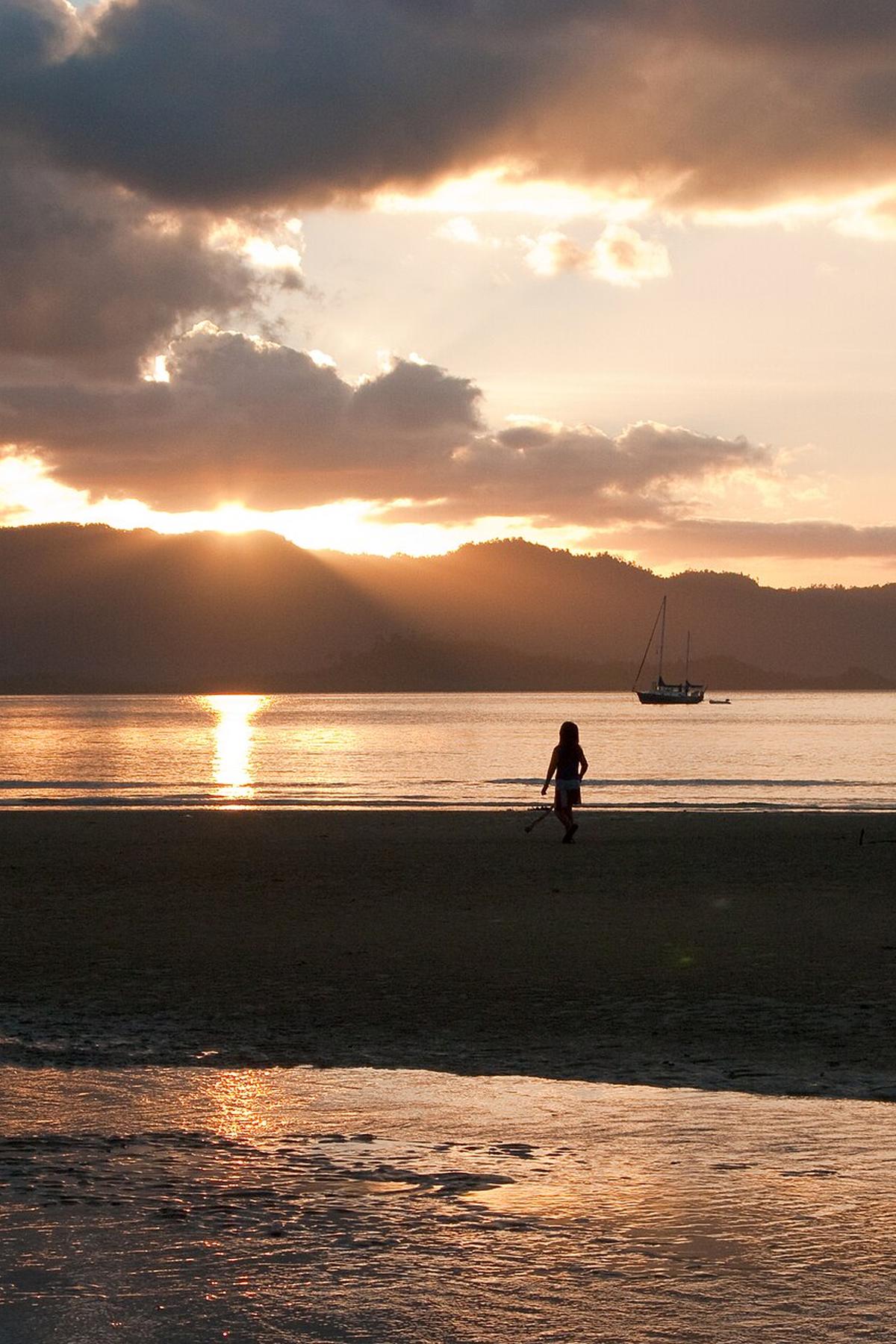
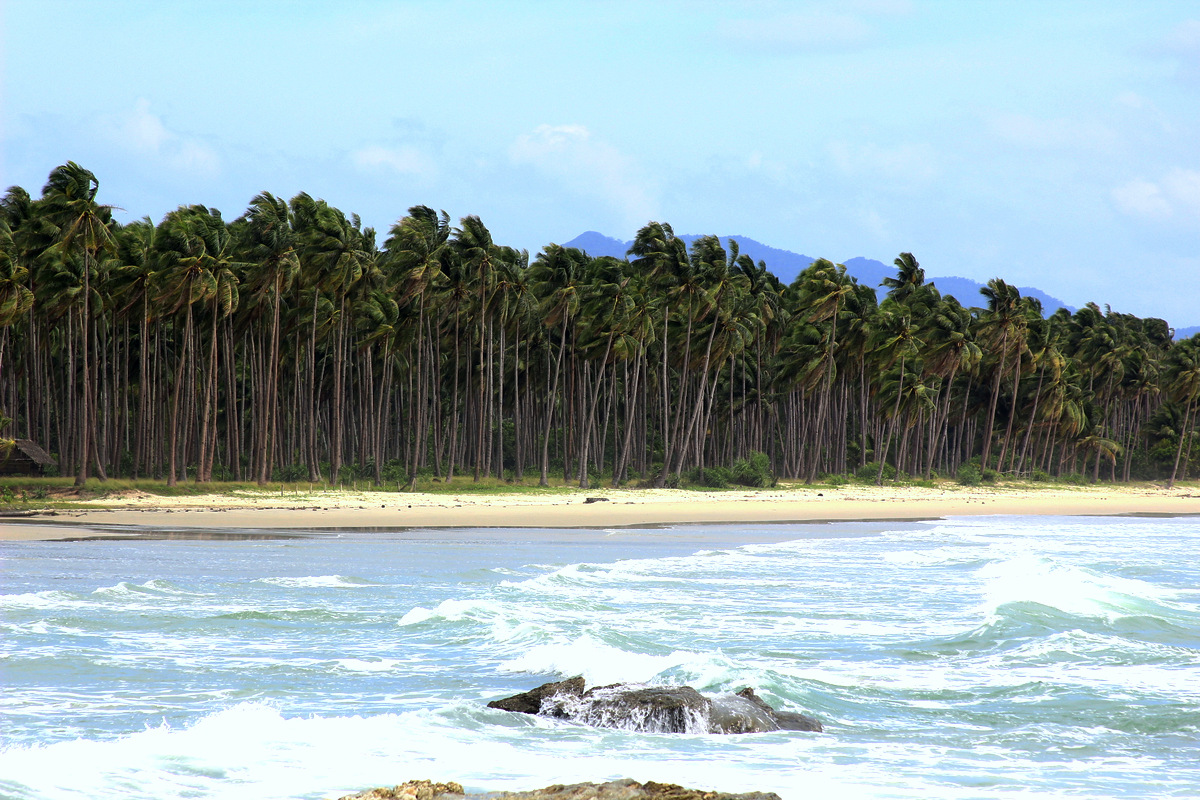
Long Beach, officially spanning parts of Barangay Poblacion, New Agutaya, and San Isidro, is the municipality's defining feature. The 14km of fine white to cream sand is one of the longest continuous stretches in the Philippines. Development is deliberately low-density. You will find no high-rise buildings, only scattered resorts and guesthouses set well back from the shoreline. The beachfront itself often has not a single sun umbrella in sight.
This lack of development means there is no shade. Bring your own cover, water, and supplies for a day on the sand. Swimming is calm from February to May. From June to November, the southwest monsoon brings rough seas and strong currents that make it dangerous. The area is not for families with very young children who need constant facilities. It is for those who want to walk for kilometres and see only the sea and the sky.
The Two Zones: Long Beach and Port Barton
Understand that San Vicente is two places. Long Beach is the sparse, beach-focused zone. Port Barton, a separate barangay within the municipality, is a small fishing village with a more compact beach, a handful of beachfront shacks serving food, and a launch point for island-hopping. The road from the main highway turn-off at Salvacion to Port Barton is partially unpaved and deteriorates badly in the wet season. Electricity in Port Barton is generator-based, available only during evening hours. San Vicente town proper has 24-hour grid power, but reliability can be an issue.
What to Expect from San Vicente Resorts and Amenities
Do not expect international luxury chains or polished service. Accommodation on Long Beach ranges from budget guesthouses to a few mid-range resorts. In Port Barton, you find basic guesthouses and mid-range beachfront resorts. The defining feature across both areas is the low-density atmosphere. You are never far from a near-empty beach.
Book everything with the understanding that this is an emerging zone. Power outages are a regular fact of life. Connectivity is poor. Mobile signal at Long Beach is moderate for Smart and Globe, but in Port Barton it is patchy and data is slow or unavailable. This is a cash-only destination. There are no ATMs in Port Barton, and San Vicente town proper may have only one, which cannot be relied upon. Withdraw all the cash you need in Puerto Princesa before you make the journey north.
The Practical Choice of San Vicente vs El Nido
This is the core choice. El Nido is a chaotic base town, overbuilt and loud, serving as the launch point for the crowded lagoons of Bacuit Bay. San Vicente offers none of that chaos. There is no tricycle traffic, no overwhelming crowds, and no waiting in long lines for island-hopping tours. What you gain is peace and a vast, personal stretch of sand.
What you lose is convenience and the famous Bacuit scenery. The boat tours from Port Barton visit lovely islets like German Island and Paradise Island, with good snorkelling and occasional dugong sightings, but they do not feature the dramatic limestone karst seascapes of El Nido. The trade is clear. Choose San Vicente for a quiet beach stay and simpler island hopping. Choose El Nido for the world-famous lagoons and accept the crowds and chaos that come with them. You cannot have both on a short trip.
Experiencing a San Vicente Boodle Fight
The quintessential San Vicente dining experience is not found on a menu but on a banana leaf. A boodle fight is a communal feast where grilled fish, prawns, rice, and fresh mango are laid out on a spread of leaves and eaten by hand. It is social, messy, and authentic, arranged by your resort or a beachfront shack.
This is not a tourist performance. It is a local tradition shared with visitors. Arrange it in advance. Pay in cash and share the meal with your group at a simple table, right on the sand. It encapsulates the area's ethos: rustic, communal, and focused on simple, fresh flavours over polished service.

How to Get to San Vicente and Get Around
Your gateway is Puerto Princesa International Airport (PPS). From there, public van and bus services run to both San Vicente town and Port Barton. The journey to Port Barton takes 3 to 4 hours. To San Vicente town proper, it is 4 to 5 hours. The road from the junction at Roxas is paved but the final sections can be rough. The transfer from El Nido also takes 3 to 4 hours on a partially unpaved road. It is bone-jarring.
San Vicente Airport (SWL) is operational for light aircraft, but scheduled services are intermittent. Do not rely on them. Once you are in the area, getting around requires tricycle rides or walking. There is no other transport. The isolation is the point. You come to San Vicente to stay put, not to tour around.
Who Should Visit and How Long to Stay
San Vicente is for adventure-minded couples and small groups who value raw natural beauty over luxury. It is for competent travellers comfortable with unpredictable schedules, basic facilities, and being disconnected. It is ideal for photographers chasing empty beaches and for anyone who explicitly wants to trade convenience for seclusion.
It is not for travellers wanting walkable beach towns with nightlife. It is not for families with very young children who need reliable electricity and easy amenities. It is not for anyone on a tight 5-day Philippines trip. You need a minimum of 7 days to justify the long transit times and to sink into the slow rhythm of the place without feeling rushed.
The Best Time to Visit and What to Avoid
The peak season runs from December to May, driven by dry weather and calm seas. This is the ideal window. Avoid the period from July to mid-October, when monsoon rains and rough seas cancel island-hopping trips and make swimming at Long Beach hazardous. Also avoid Holy Week, when domestic tourism surges create gridlock even in quieter areas like Port Barton.
The Honest Caveat About San Vicente
San Vicente's promise of seclusion is real, but it is purchased with a surrender of control. The punishing road transfers, the generator power, the cash-only economy, and the patchy connectivity are not minor inconveniences. They are the core experience. You come here to be stuck, to be forced to slow down, and to accept that your plans are subject to the weather, the road conditions, and the available fuel for the generator. If that trade fills you with dread, not excitement, you are not the right traveller for San Vicente yet. This is Palawan at its most raw and rewarding, but it demands a competent and flexible traveller.
More destinations in Palawan
Common Questions
How do I get from Puerto Princesa to San Vicente?
Take a public van or bus from Puerto Princesa. The journey to Port Barton takes 3-4 hours; to San Vicente town proper, it takes 4-5 hours. The road is paved but the final sections can be rough. Book nothing that requires a tight connection on arrival day.
Is there electricity and WiFi in San Vicente?
San Vicente town has 24-hour grid power, but reliability varies. Port Barton runs on generators, available only during evening hours. WiFi is scarce. Mobile signal is moderate on Long Beach but patchy in Port Barton; assume you will be disconnected.
Can I do island hopping from San Vicente?
Yes, from Port Barton. Full-day tours visit German Island, Exotic Island, and turtle spotting spots. These are smaller, quieter groups than El Nido tours but lack the dramatic limestone scenery. Expect to pay an environmental fee collected at the port; rates change, so confirm the current figure with your boat operator.
Do I need to book a San Vicente resort in advance?
Yes, especially in peak season (December-May). Options are limited and fill quickly. Confirm their electricity and payment policies, as many are cash-only and have generator schedules.
Read next
-
 Palawan Hotels by Town and Type, From Hostels to Island Resorts
Palawan hotels by town and type: what you trade in comfort, location, and generator hours at each price point from Coron to Port Barton.
Palawan Hotels by Town and Type, From Hostels to Island Resorts
Palawan hotels by town and type: what you trade in comfort, location, and generator hours at each price point from Coron to Port Barton.
-
 Where to Stay in Palawan, Which Town and in What Order
Where to stay in Palawan isn't about the best hotel — it's about which town, in what order, and how many nights before transit steals a day.
Where to Stay in Palawan, Which Town and in What Order
Where to stay in Palawan isn't about the best hotel — it's about which town, in what order, and how many nights before transit steals a day.
-
 Palawan Flights, Which Airport to Fly Into and From Where
Palawan has three airports—PPS, USU, and ENI—and picking the wrong one adds a full day of transit. Here is which airport serves which town and where flights connect.
Palawan Flights, Which Airport to Fly Into and From Where
Palawan has three airports—PPS, USU, and ENI—and picking the wrong one adds a full day of transit. Here is which airport serves which town and where flights connect.
-
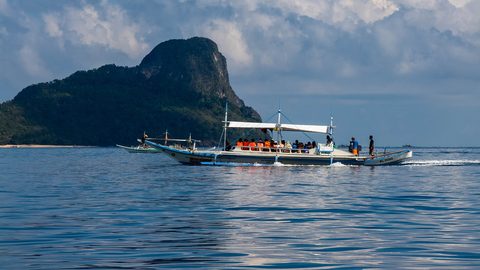 Palawan Things to Do, Town by Town and Tour by Tour
Which Palawan tours earn a full day: El Nido Tour A vs C, Coron wreck dives, Underground River permits, and what's skippable in monsoon season.
Palawan Things to Do, Town by Town and Tour by Tour
Which Palawan tours earn a full day: El Nido Tour A vs C, Coron wreck dives, Underground River permits, and what's skippable in monsoon season.
-
 Best Time to Visit Palawan, Month by Month and Coast by Coast
Palawan month by month: which coast gets calm seas, when boat tours cancel, and how domestic holidays spike prices and crowds regardless of weather.
Best Time to Visit Palawan, Month by Month and Coast by Coast
Palawan month by month: which coast gets calm seas, when boat tours cancel, and how domestic holidays spike prices and crowds regardless of weather.
-
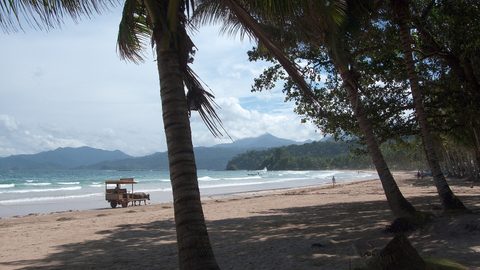 Getting Around Palawan by Van, Ferry and Plane, With Real Times
Vans wait until full, ferries cross rough seas, and a 90km road can take 5 hours. Real transit times and costs for getting around Palawan.
Getting Around Palawan by Van, Ferry and Plane, With Real Times
Vans wait until full, ferries cross rough seas, and a 90km road can take 5 hours. Real transit times and costs for getting around Palawan.
-
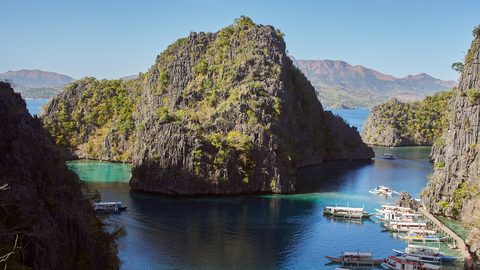 Coron
Coron town on Busuanga is a functional dive hub with limited beaches—the real draw is Coron Island's lakes and WWII wrecks, reached by bangka day trips only.
Coron
Coron town on Busuanga is a functional dive hub with limited beaches—the real draw is Coron Island's lakes and WWII wrecks, reached by bangka day trips only.
-
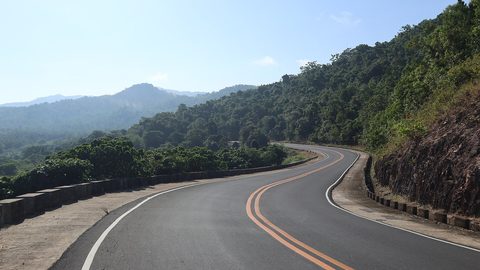 Puerto Princesa to El Nido by Van, Bus or Plane, With Real Times
The Puerto Princesa to El Nido van takes 5 to 6 hours on a paved road, but shared vans only depart when full, turning a scheduled trip into a waiting game.
Puerto Princesa to El Nido by Van, Bus or Plane, With Real Times
The Puerto Princesa to El Nido van takes 5 to 6 hours on a paved road, but shared vans only depart when full, turning a scheduled trip into a waiting game.
-
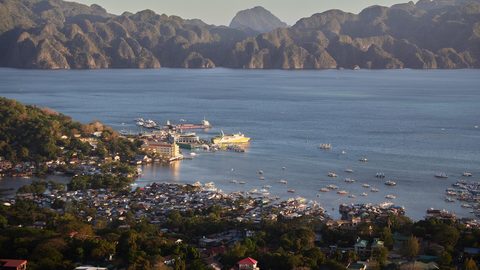 El Nido to Coron Ferry, Operators, Crossing Time and Rough Seas
The El Nido to Coron ferry takes 4 to 5 hours with Atienza or Montenegro, costs 1,800 to 2,200 PHP, and faces frequent cancellations during monsoon months.
El Nido to Coron Ferry, Operators, Crossing Time and Rough Seas
The El Nido to Coron ferry takes 4 to 5 hours with Atienza or Montenegro, costs 1,800 to 2,200 PHP, and faces frequent cancellations during monsoon months.