El Nido Town and How to Use It as a Base
El Nido town is a chaotic, overbuilt base camp for Bacuit Bay island hopping, with daily power outages and no real beach—but direct access to Tour A and Tour C departures.
- Flag
-

- ISO code
- PH
- Currency
- PHP
- Timezone
- Asia/Manila
On prices: the figures on this page were gathered in September 2026 and are given as bands rather than current quotes. Rates, fees and timetables change every season - check with the operator before you book.
El Nido Town is Not a Beach Paradise
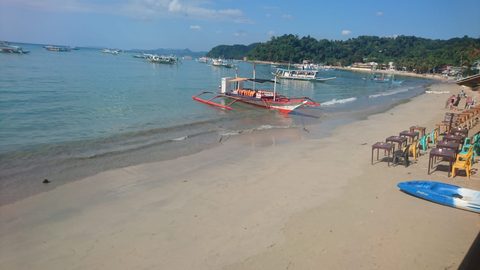
You arrive in Elido town for the postcard lagoons, but the town itself is no island idyll. This is a base camp. A functional, often frayed logistics hub for accessing Bacuit Bay. The main street, Calle Hama, is a cramped corridor of tricycle traffic, tour booking desks, and rapid, unregulated construction. The local beach, Calaan, is narrow and crowded with outrigger boats. Expect dust. Generator noise. The constant hum of arrivals and departures. Your reward for enduring this is direct access to some of the planet's most dramatic seascapes, but manage your expectations for the town itself. It is a place to sleep, book a tour, and charge your camera. It is not a destination for evening strolls along the sand.
The Reality of Staying in El Nido Town
Your choice of accommodation in El Nido is a direct trade-off between convenience and comfort. Staying in town puts you steps from the tour departure points. You sacrifice peace and reliable infrastructure.
Power and Water Shortages
Daily rotational brownouts are a fact of life, especially during the peak tourist months from December to May. The power outages kill fans and air conditioning without warning. They disrupt charging for devices. Many establishments rely on private wells or delivered water, and shortages are frequent. The town has no centralised sewerage system, a fact that underscores its struggle to keep pace with its own growth.
The Accommodation Landscape
Since the road from Puerto Princesa was paved in 2018, a construction boom has filled every available plot with hostels and budget hotels. A municipal ordinance limits buildings to three storeys. Enforcement is uneven. The result is a dense, overbuilt town that feels loud and hectic. For a quieter alternative with sunset views, consider the accommodations along Corong-Corong Beach, a ten minute tricycle ride south of the main action. Swimming there is only possible at high tide, but the atmosphere is markedly more relaxed.

Booking Your El Nido Island Hopping Tours
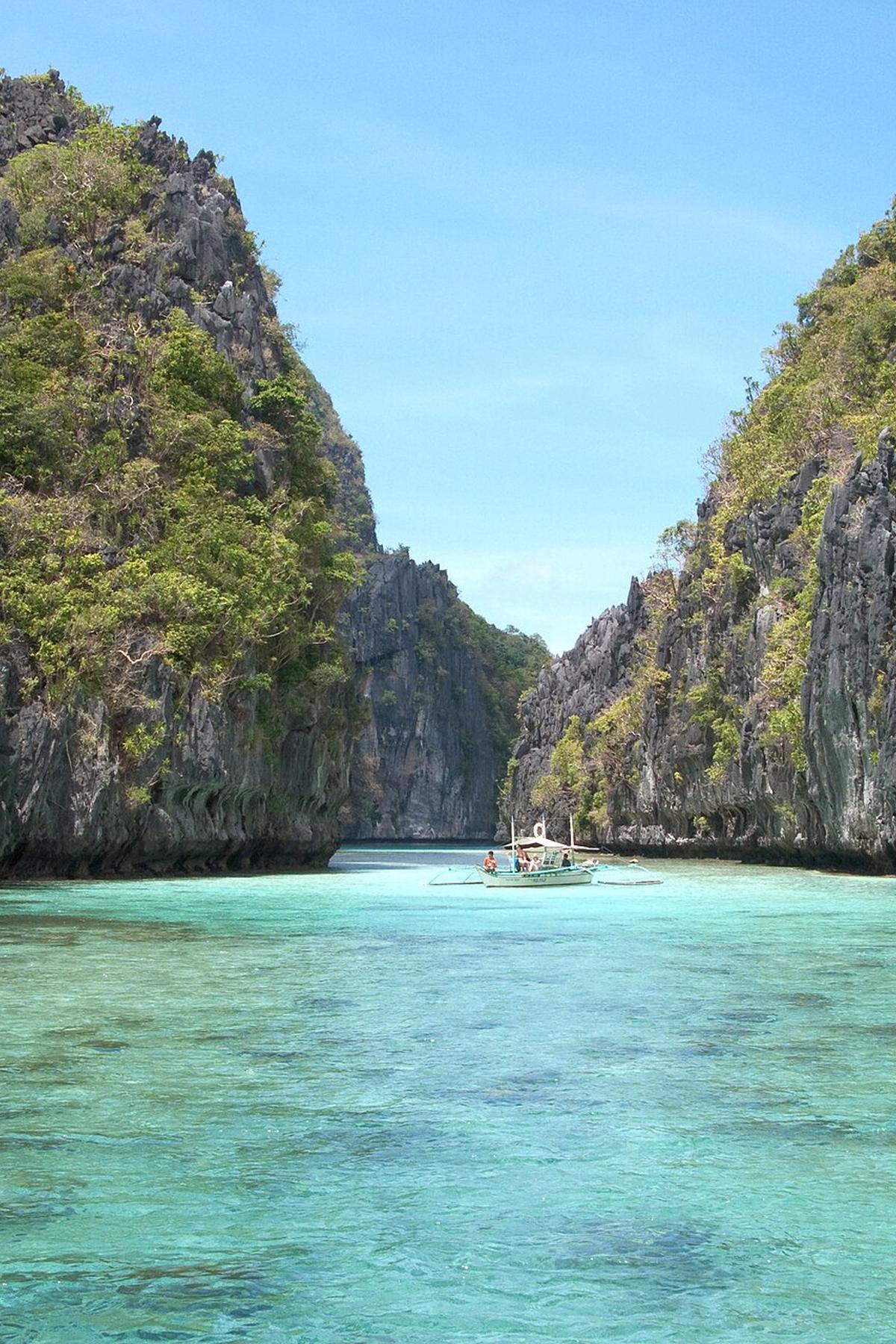
This is why you are here. The island hopping tours depart directly from the beach in El Nido town. Book through any travel agency or your guesthouse the day before you want to go. Payment is almost always cash only.
Tour A: The Essential Lagoon Tour
Tour A is the non-negotiable classic. It includes the Big Lagoon, where you kayak or swim into a turquoise channel walled by limestone, and the Small Lagoon, which you enter by swimming through a narrow rock cleft. The tour also stops at Shimizu Island for snorkelling and Seven Commando Beach. Book this tour for your first day. Departure is at 09:00, but arrive earlier to secure a kayak. The environmental fee is 200 PHP per person, collected by the local tourism office and covering a multi-day pass for Bacuit Bay. An additional 200 PHP fee is required to enter the Big Lagoon itself.
Tour C: The Hidden Beach Tour
Tour C covers the Secret Beach, which you access by swimming through a narrow rock opening, and the haunting Matinloc Shrine. Access to the shrine building itself is prohibited due to structural decay. This tour is more frequently cancelled during the July to September monsoon due to rough seas. The price is higher, around 1,400 to 1,600 PHP.
Avoiding the Crowds
Boat overcrowding is a significant issue on popular tours. Forty or more visitors descend on the Small Lagoon simultaneously by 10:00. Your only defence is an early start. Be on the first boat out to have any hope of solitude. For a more private experience, hire a custom boat for your group. This lets you combine stops from different tours and set your own pace.
Escaping El Nido Town to Nacpan Beach
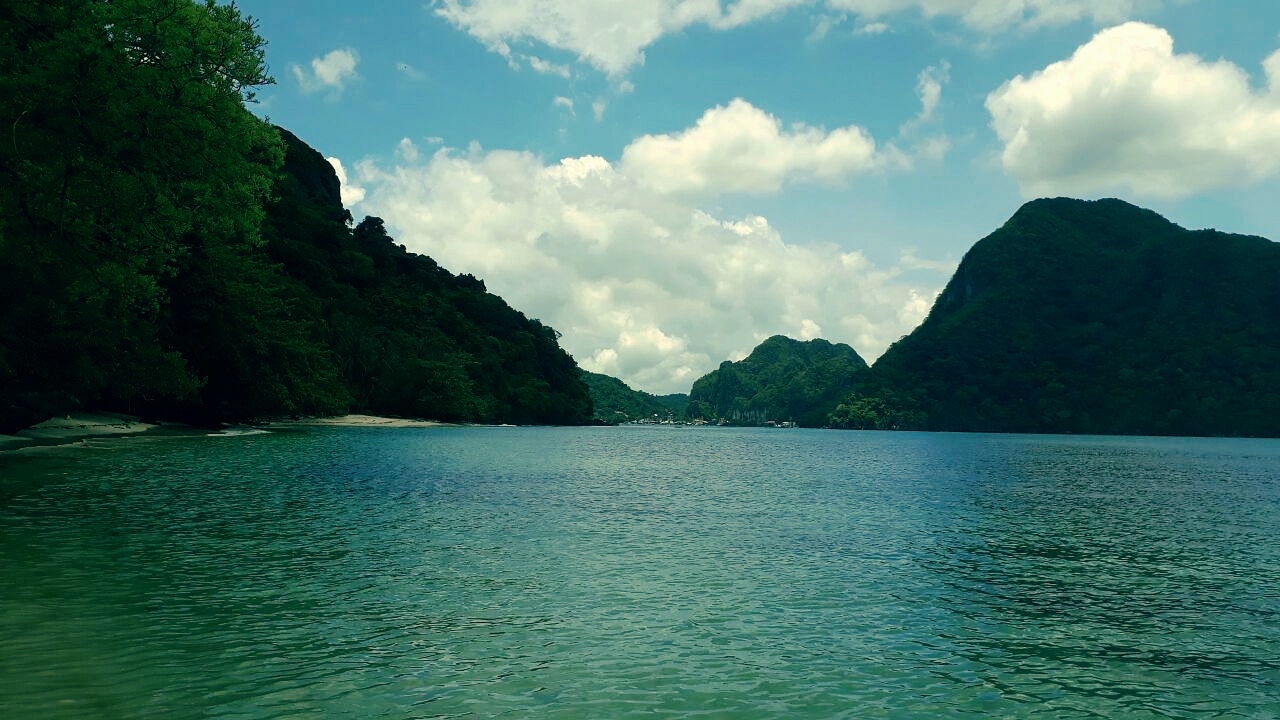
When the generator hum and tour desk touts become too much, your daytime escape is Nacpan Beach. This four kilometre stretch of white sand is roughly 16 km north of town, a 45 minute tricycle ride away. Budget 1,500 PHP for a round trip. The road is now mostly paved. Nacpan is a twin beach, connected to Calitang Beach by a narrow headland. Development is scattered and low key. Beachfront shacks serve lato seaweed salad and cold drinks. Swimming is safe during the dry season, but be cautious of strong currents from June to November. The entrance fee is 50 PHP per person, paid at a small checkpoint on the access road. This is the beach you imagined finding in Palawan.

Navigating El Nido Town Logistics and Money
Palawan is logistically demanding, and El Nido town is its epicentre of beautiful friction. Plan your moves and your money with military precision.
The Cash Only Economy
Assume every transaction requires cash. ATMs in town are limited and frequently run out of money, especially by Sunday afternoon. Bring enough Philippine pesos to cover your entire stay, plus a buffer. Tour operators, kayak rentals, and most restaurants will not accept cards.
Getting In and Out
Most visitors arrive via a five to six hour shared van from Puerto Princesa International Airport, which costs 600 to 800 PHP. These vans operate on a wait until full basis, not a fixed schedule. A planned 09:00 departure can become 11:00. The direct flight from Manila to El Nido Airport on AirSwift is a faster but more expensive alternative. There are no scheduled commercial ferry services connecting El Nido town to other islands.
Connectivity and Advice
Globe and Smart offer patchy 4G coverage in the town centre, but the signal vanishes the moment your boat enters Bacuit Bay. Download offline maps and any essential information before you leave your accommodation Wi Fi. Mobile data reliability plummets during the daily brownouts.
What to See in El Nido
-
 Big Lagoon
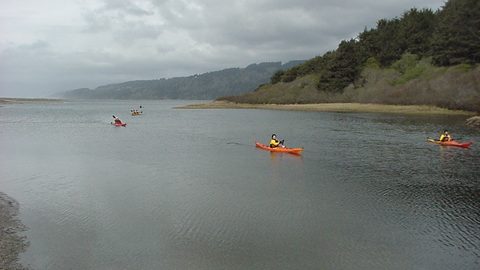
 El Nido is entered by kayak and governed by tides. Learn how Tour A timing, water depth, and dry-season crowds shape the visit to Miniloc Island.
Big Lagoon
Big Lagoon El Nido is entered by kayak and governed by tides. Learn how Tour A timing, water depth, and dry-season crowds shape the visit to Miniloc Island.
-
 Nacpan Beach
 El Nido is a 45-minute tricycle trip to a four-kilometre sand twin beach with Calitang. Here is the fare, the shack setup, and why shade is absent.
Nacpan Beach
Nacpan Beach El Nido is a 45-minute tricycle trip to a four-kilometre sand twin beach with Calitang. Here is the fare, the shack setup, and why shade is absent.
More on El Nido
-
 El Nido Tour A, Small Lagoon, Big Lagoon and Crowd Timing
El Nido Tour A hits Small Lagoon, Big Lagoon, and Secret Lagoon in Bacuit Bay. Here is the crowd timing for each stop, the kayak cost, and the 200 PHP environmental fee.
El Nido Tour A, Small Lagoon, Big Lagoon and Crowd Timing
El Nido Tour A hits Small Lagoon, Big Lagoon, and Secret Lagoon in Bacuit Bay. Here is the crowd timing for each stop, the kayak cost, and the 200 PHP environmental fee.
-
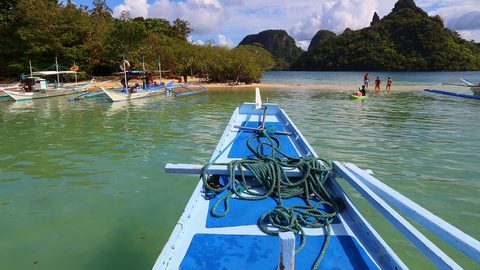 El Nido Tour B, Snake Island Sandbar and the Pinagbuyutan Caves
-
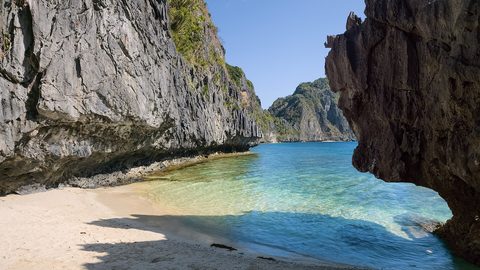 El Nido Tour C, Secret Beach, Matinloc Shrine and Helicopter Island
El Nido Tour C takes you to Secret Beach, Matinloc Shrine, and Helicopter Island on the most weather-exposed island-hopping route in Bacuit Bay.
El Nido Tour C, Secret Beach, Matinloc Shrine and Helicopter Island
El Nido Tour C takes you to Secret Beach, Matinloc Shrine, and Helicopter Island on the most weather-exposed island-hopping route in Bacuit Bay.
-
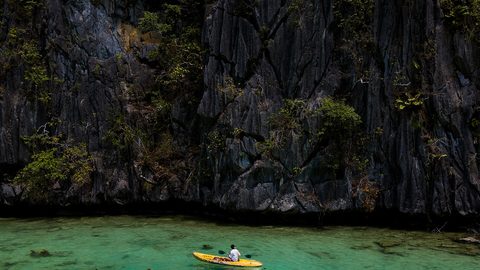 El Nido Tour D, Cadlao Lagoon and the Calmest Route in the Bay
El Nido Tour D visits Cadlao Lagoon, Small Lagoon, and Pasandigan Beach on a route that promises fewer crowds but depends heavily on departure timing.
El Nido Tour D, Cadlao Lagoon and the Calmest Route in the Bay
El Nido Tour D visits Cadlao Lagoon, Small Lagoon, and Pasandigan Beach on a route that promises fewer crowds but depends heavily on departure timing.
-
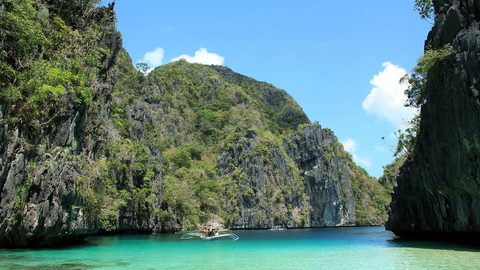 El Nido Tour A, B, C and D Compared, and Which to Book
El Nido Tours A, B, C, and D each cover different Bacuit Bay stops — Tour A packs Small Lagoon, Tour C reaches Secret Beach, and Tour D offers a quieter Small Lagoon alternative.
El Nido Tour A, B, C and D Compared, and Which to Book
El Nido Tours A, B, C, and D each cover different Bacuit Bay stops — Tour A packs Small Lagoon, Tour C reaches Secret Beach, and Tour D offers a quieter Small Lagoon alternative.
Common Questions
How many days should I stay in El Nido?
Stay for three nights. This allows two full days for island hopping tours, such as Tour A and Tour C, plus buffer time for arrival and departure logistics. A two night stay only permits one day of touring, which is insufficient. Four nights lets you add a day trip to Nacpan Beach or book a private boat.
Is it better to stay in El Nido town or a beach resort?
This is a choice with real consequences. Staying in town means instant access to tour departures and restaurants, but you trade peace, quiet, and reliable power. Staying at a beachfront resort outside town, like in Corong-Corong or on Nacpan, offers serenity but requires a tricycle ride for every meal and tour, adding cost and time.
What should I do if my island hopping tour is cancelled?
Tours are cancelled due to rough seas, most commonly from July to September. If yours is cancelled, hire a tricycle to Nacpan Beach for the day instead. Do not attempt to book a tour for the next day if the weather forecast remains poor, as it will likely be cancelled again.
How can I avoid the crowds on the tours?
Your only effective strategy is to be on the very first boat of the day. Arrive at the departure beach by 08:00 to secure your kayak and ensure you are in the first group to reach the lagoons. By 10:00, the key sites are packed with 40 person crowds.
Do I need to book tours in advance?
For the standard group tours A through D, advance booking is not necessary. You can book easily the day before through your guesthouse or a town agency. For a private boat hire during the peak season from December to May, book a few days ahead.
What is the best time of year to visit El Nido?
The peak season runs from November to May, driven by dry weather and calm seas. The months of March to May bring intense heat but reliable boat conditions. Avoid the window from July to mid October due to monsoon rains, rough seas, and frequent tour cancellations.
Is it worth climbing Taraw Cliff?
The climb is an exposed limestone scramble with no maintained trail or fixed ropes. It has resulted in multiple fatalities. The required guide does not eliminate the significant risk. For a safer alternative with views, take the Taraw Cliff Canopy Walk, a steel walkway with stairs.
Read next
-
 El Nido Hotels Near Tour Pickups and With Reliable Power
El Nido hotels sorted by generator reliability during brownouts and distance to the Tour A bangka departure, whether you stay in noisy town proper or isolated Nacpan Beach.
El Nido Hotels Near Tour Pickups and With Reliable Power
El Nido hotels sorted by generator reliability during brownouts and distance to the Tour A bangka departure, whether you stay in noisy town proper or isolated Nacpan Beach.
-
Big Lagoon
Big Lagoon El Nido is entered by kayak and governed by tides. Learn how Tour A timing, water depth, and dry-season crowds shape the visit to Miniloc Island.
-
Nacpan Beach
Nacpan Beach El Nido is a 45-minute tricycle trip to a four-kilometre sand twin beach with Calitang. Here is the fare, the shack setup, and why shade is absent.
-
El Nido Tour A, Small Lagoon, Big Lagoon and Crowd Timing
El Nido Tour A hits Small Lagoon, Big Lagoon, and Secret Lagoon in Bacuit Bay. Here is the crowd timing for each stop, the kayak cost, and the 200 PHP environmental fee.
-
El Nido Tour B, Snake Island Sandbar and the Pinagbuyutan Caves
-
El Nido Tour C, Secret Beach, Matinloc Shrine and Helicopter Island
El Nido Tour C takes you to Secret Beach, Matinloc Shrine, and Helicopter Island on the most weather-exposed island-hopping route in Bacuit Bay.
-
El Nido Tour D, Cadlao Lagoon and the Calmest Route in the Bay
El Nido Tour D visits Cadlao Lagoon, Small Lagoon, and Pasandigan Beach on a route that promises fewer crowds but depends heavily on departure timing.
-
El Nido Tour A, B, C and D Compared, and Which to Book
El Nido Tours A, B, C, and D each cover different Bacuit Bay stops — Tour A packs Small Lagoon, Tour C reaches Secret Beach, and Tour D offers a quieter Small Lagoon alternative.
-
 Staying Connected in Palawan From Puerto Princesa to El Nido and Coron
Stay connected from Puerto Princesa to El Nido and Coron. Know when to save maps, tickets, and bookings before vans, ferries, and island tours.
Staying Connected in Palawan From Puerto Princesa to El Nido and Coron
Stay connected from Puerto Princesa to El Nido and Coron. Know when to save maps, tickets, and bookings before vans, ferries, and island tours.