Palawan During Rough Seas Backup Plans When Boats Stop
A practical guide to Palawan During Rough Seas Backup Plans When Boats Stop.
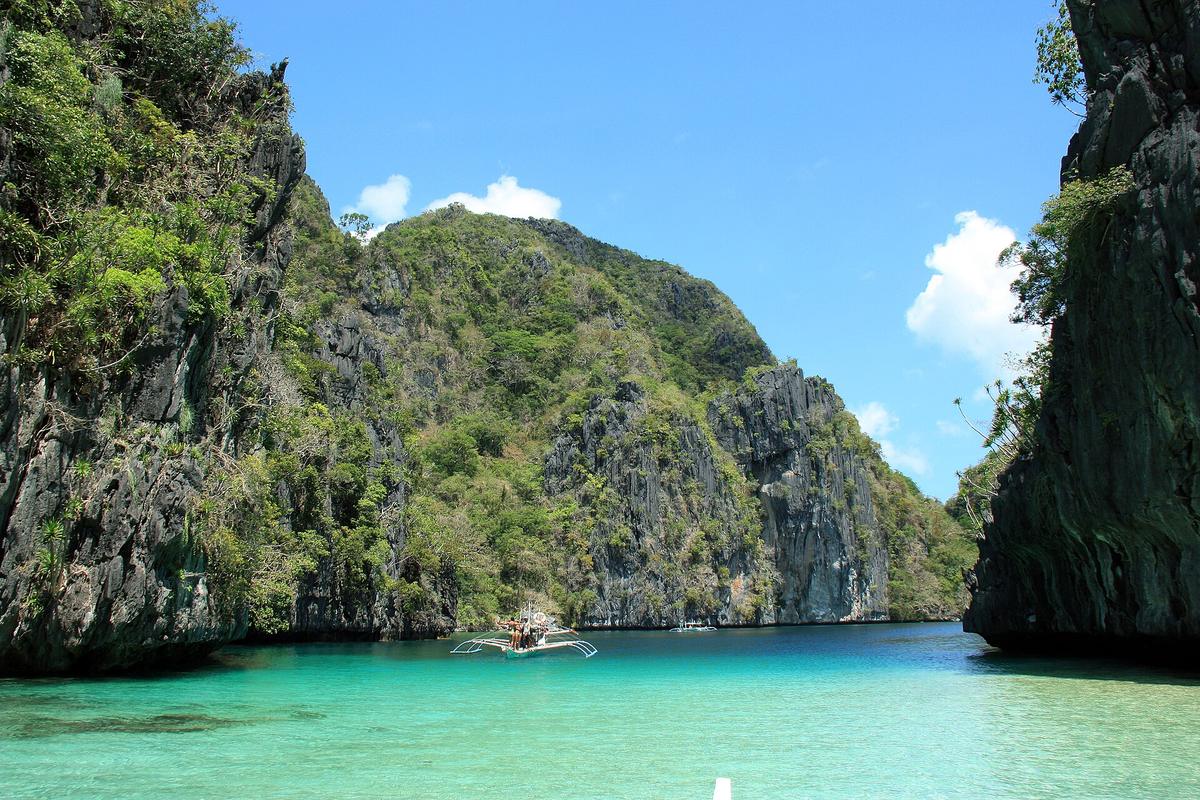

When the sea says no
A cancelled boat in Palawan can feel like a door slamming shut. The island hopping tour, the ferry to Coron, the beach you saw in every photo, suddenly all of it sits behind a Coast Guard advisory that no amount of bargaining will overturn. But the geography of Palawan works in your favour. The same limestone spine that creates those postcard lagoons also means that when one coast is taking a battering, the other side of the island is often calm. And a surprising number of the province’s best experiences never require stepping onto a boat at all.
This is not a guide to hoping the weather clears. It is a set of concrete alternatives that work when the Philippine Coast Guard has already made its decision. The key is understanding who makes that call, what it actually means, and which doors stay open regardless.
Who decides the boats stop
In Palawan, no captain, tour operator or hotel manager has the authority to cancel a sailing due to weather. That power rests solely with the Philippine Coast Guard. When a PCG station issues a no-sail advisory, every vessel covered by that advisory is automatically grounded. There is no grey area and no appeal.
The Coast Guard suspends vessels by gross tonnage threshold, set station by station on the morning of the advisory. In Palawan waters, common cutoffs are 35 gross tonnes and below, or 15 gross tonnes and below, depending on the conditions that day. A larger ferry might still sail while smaller outrigger bancas are held in port. Under Memorandum Circular 02-23, issued in March 2023, the rules tighten further when a tropical cyclone enters the picture. If Tropical Cyclone Wind Signal No. 1 or higher is hoisted anywhere along a vessel’s point of origin, intended route or destination, no vessel of any type or tonnage may depart, the only exception being a vessel moving to take shelter.
PAGASA, the national weather agency, issues gale warnings for specific seaboards. When a gale warning covers the western or northern seaboard of Palawan, small boats are generally advised not to venture out. The habagat season, the southwest monsoon running roughly June to October, is when ferry cancellations between El Nido and Coron are most frequent. The amihan, the northeast monsoon from November to February, brings steadier conditions and fewer interruptions.


Your rights when a ferry is cancelled
A cancelled ferry is frustrating, but the obligations of the operator are clear. Passengers are entitled to choose between three options: rebooking on a later sailing with the same company, an alternative crossing such as a flight or a seat with another ferry operator, or a full refund of the ticket price.
What ferry companies are not required to do is compensate you for missed flights, forfeited hotel nights or any other consequential loss. That gap is where travel insurance becomes relevant. A policy will typically cover trip cancellation or interruption caused by official weather suspensions, but only if you bought it before the storm was named. Once PAGASA officially names a weather disturbance, it becomes a known event and any policy purchased after that point will not cover disruptions caused by that specific storm.
El Nido without a boat
The single most useful fact to hold onto when boat tours are suspended in El Nido is that the town’s mainland beaches are reached entirely by land. Nacpan, Las Cabanas, Lio and Duli, the beaches that dominate the non-island-hopping conversation, sit on roads, not across channels. A Coast Guard advisory that grounds every tour boat in Bacuit Bay has no effect whatsoever on your ability to spread a towel on any of them.
This means a cancelled island hopping day can pivot cleanly into a beach-hopping day. The tradeoff is cost. Hiring a tricycle or van for a land-based circuit involves negotiating a day rate, and the distances are not trivial. The decision is whether the privacy and flexibility of setting your own pace across four beaches outweighs the packaged convenience of a group boat tour. On a day when the alternative is sitting in a café watching the rain, that calculation tends to resolve itself quickly.
Coron when the boats stay tied up
Coron town offers a similar land-based safety net, though the character of the backups is different. The standout is Maquinit Hot Spring, reached by a tricycle ride of roughly 30 minutes from town. It is a saltwater spring, one of the few in the country, and its appeal does not diminish under overcast skies. Mount Tapyas, with its 721 steps climbing to a viewpoint above Coron Harbour, is another entirely land-based option. The climb is short and steep, and the panorama takes in the bay and the islands that the boats are not visiting that day.
Closer to town, Cabo Beach provides a low-effort waterfront escape, while the Coron Town Proper area holds the public market, San Agustin Parish Church and a growing collection of cafés. None of these require a boat, and none are affected by a gale warning in the Calamianes seaboards.
The El Nido to Coron problem
This is the route where a cancellation causes the most logistical pain. The ferry between El Nido and Coron crosses open water, and when the Coast Guard suspends sailings, the only alternative transport between the two towns is to fly. There are no direct flights. The practical backup is the Cebgo service from El Nido’s Lio Airport to Busuanga Airport, which serves Coron. The flight time is approximately 40 minutes.
This route was previously operated by AirSWIFT, which was folded into Cebgo on 1 July 2026. The flight exists, but it is not a guaranteed escape hatch. Seats fill quickly on cancellation days, and fares can rise sharply as demand concentrates onto a single narrow-body aircraft. The advice is straightforward: if you are in El Nido with a Coron ferry ticket and the forecast looks deteriorating, check Cebgo availability before the official suspension is announced. Once the advisory drops, you are competing with every other stranded passenger who had the same idea.
In the reverse direction, the logic is identical. A cancelled Coron to El Nido ferry leaves the Cebgo flight from Busuanga to Lio as the only practical alternative. There is no overland shortcut between these two towns that does not involve backtracking through Puerto Princesa over multiple days.
How to stay ahead of an advisory
The Philippine Coast Guard District Palawan maintains an official Facebook page where sea travel advisories and suspensions are posted. Individual Coast Guard stations, including those for Northern Palawan and Western Palawan, post station-specific advisories on their own Facebook pages. These are the primary sources. A tour operator telling you a trip is cancelled is useful, but checking the PCG post yourself tells you whether the suspension applies to all vessels or only those below a certain tonnage, a distinction that can mean the difference between a grounded banca and a ferry that is still running.
PAGASA’s gale warning page is the other essential check. It covers specific seaboards, so a warning for the western seaboard of Palawan may leave northern routes unaffected. Check both sources the evening before travel and again on the morning of your sailing. The thresholds are set daily, and a suspension that was in place at 5 a.m. can be lifted by midday if conditions improve.
Sources and verification
- gmanetwork.com — Research source checked for this guide
- ezparadise.com — Research source checked for this guide
- elnidohotelsranking.com — Research source checked for this guide
- maritimesafetypcg8.com — Research source checked for this guide
- elnidoguide.ph — Research source checked for this guide
- flightsfrom.com — Research source checked for this guide
Read next
-
 Palawan Hotels by Town and Type, From Hostels to Island Resorts
Palawan hotels by town and type: what you trade in comfort, location, and generator hours at each price point from Coron to Port Barton.
-
 Where to Stay in Palawan, Which Town and in What Order
Where to stay in Palawan isn't about the best hotel — it's about which town, in what order, and how many nights before transit steals a day.
-
 Palawan Flights, Which Airport to Fly Into and From Where
Palawan has three airports—PPS, USU, and ENI—and picking the wrong one adds a full day of transit. Here is which airport serves which town and where flights connect.
-
 Palawan Things to Do, Town by Town and Tour by Tour
Which Palawan tours earn a full day: El Nido Tour A vs C, Coron wreck dives, Underground River permits, and what's skippable in monsoon season.
-
 Best Time to Visit Palawan, Month by Month and Coast by Coast
Palawan month by month: which coast gets calm seas, when boat tours cancel, and how domestic holidays spike prices and crowds regardless of weather.
-
 Getting Around Palawan by Van, Ferry and Plane, With Real Times
Vans wait until full, ferries cross rough seas, and a 90km road can take 5 hours. Real transit times and costs for getting around Palawan.
-
 Coron
Coron town on Busuanga is a functional dive hub with limited beaches—the real draw is Coron Island's lakes and WWII wrecks, reached by bangka day trips only.
-
 San Vicente
 offers a 14-kilometre Long Beach and low-density Palawan seclusion, but it is an emerging zone with generator power and limited facilities.
-
 Puerto Princesa to Port Barton to El Nido Without Rushing
A practical guide to Puerto Princesa to Port Barton to El Nido Without Rushing.