Coron Town on Busuanga, and What It Is Good For
Coron town on Busuanga is a functional dive hub with limited beaches—the real draw is Coron Island's lakes and WWII wrecks, reached by bangka day trips only.
- Flag
-

- ISO code
- PH
- Currency
- PHP
- Timezone
- Asia/Manila
On prices: the figures on this page were gathered in September 2026 and are given as bands rather than current quotes. Rates, fees and timetables change every season - check with the operator before you book.
At 6:30am, the Coron town pier is outboard motors and diesel. Bangka crews load coolers and life jackets. Dive-shop vans disgorge bleary-eyed tourists clutching dry bags. This is not a beach holiday waking to the sound of waves. This is a mission launch.
Coron town on Busuanga Island is a functional, no-frills operations base. It has the dive shops, the guesthouses, the tricycle drivers, and the sizzle of danggit lamayo frying for breakfast. What it does not have are the postcard lagoons. Those lie a 20-minute bangka ride southeast on Coron Island, the ancestral domain of the Tagbanwa people and strictly off-limits for overnight stays. Your entire experience hinges on understanding this split: you sleep and plan in Coron town, but you play on the water.
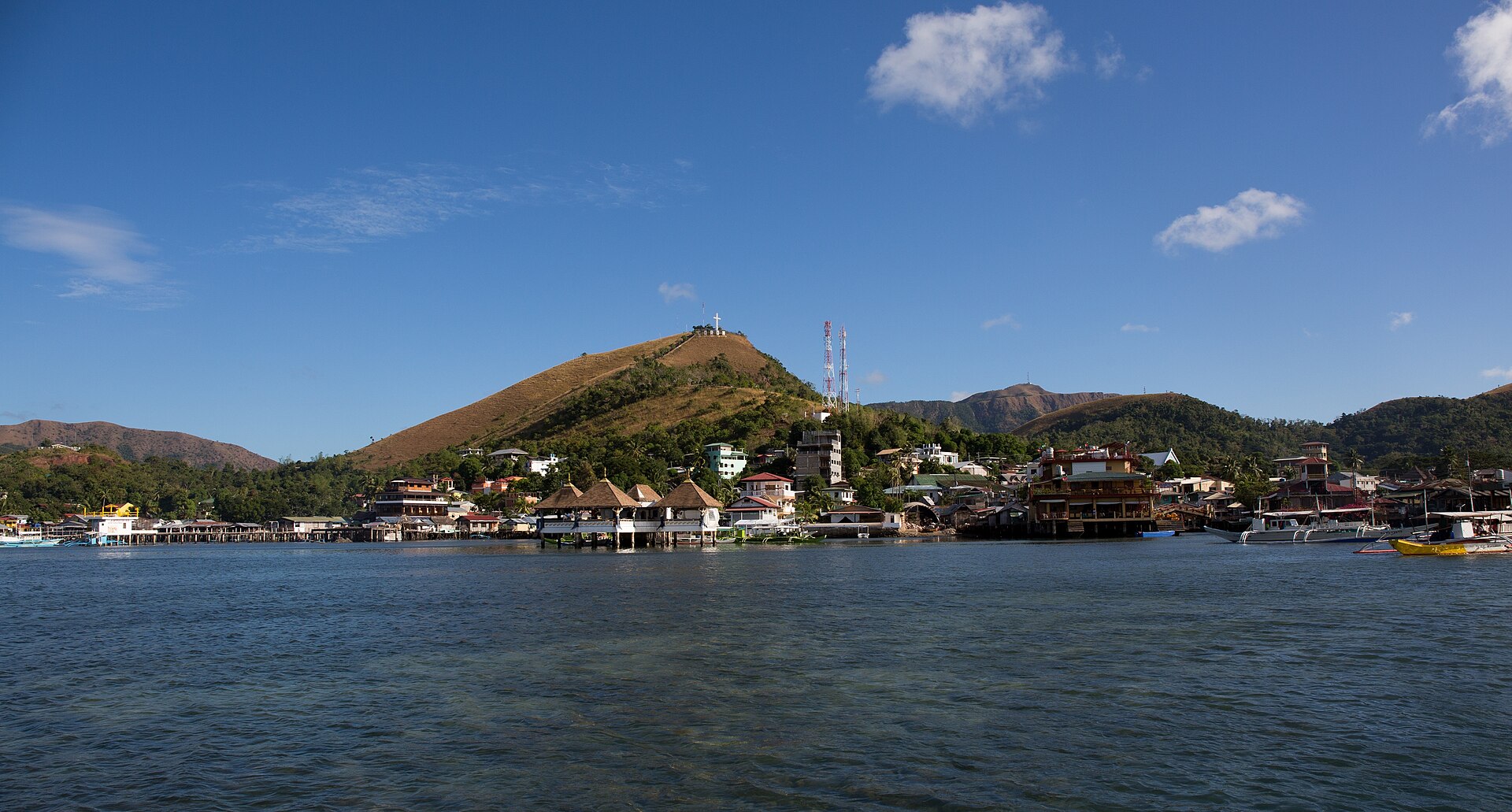
Coron Town as Your Dive Hub and Accommodation Base
Francisco B. Reyes Airport (USU) is a 30-minute van ride north of Coron town. Book your airport transfer in advance or negotiate a fare with a tricycle driver. Once in town, you find a dense grid of streets lined with dive operators, budget hostels, and small restaurants. Electricity is intermittent, and ATMs are limited, so arrive with enough cash to cover your stay.
The town services the wreck diving in Coron Bay. Its own coastline is rocky and functional. You use it to organise day trips, gear up, and debrief over a beer. Accommodation ranges from basic fan rooms to upscale dive resorts. The entire town runs on generator power during frequent brownouts, so charge your devices whenever you have the chance.
The Town and Booking Tours
Your primary transport is the tricycle. Agree on a price before you get in for any journey within the town limits. To book an island-hopping tour, walk directly to the pier where operators have small offices. You pay a port charge in cash, separate from your tour fee. Do not expect to book anything online; this is a cash-first, in-person economy. The best danggit lamayo, sun-dried rabbitfish fried with garlic, is served at simple breakfast spots away from the main tourist strip.
Coron Diving on the Legendary WWII Wrecks
Competent divers come here for one reason: to penetrate the ghost fleet at the bottom of Coron Bay. On 24 September 1944, American aircraft sank at least 12 Japanese supply ships. These wrecks now form an unparalleled artificial reef system. Depth ranges demand specific qualifications; the Irako Wreck sits at 43 metres and is for technical divers only. The Skeleton Wreck, by contrast, is in shallow water and can be snorkelled at low tide.
Book your dives through one of the dive shops in Coron town. They brief you on the requirements for each site, from penetration techniques to managing thermoclines. This is serious diving that rewards preparation. The shops provide tanks, guides, and bangka transport directly from the town pier, making Coron town the only practical base for these expeditions.
The Coron Island Lakes Accessible Only by Day Trip
Coron Island is a sacred, uninhabited landmass managed by the Tagbanwa community. No one stays overnight. Access is exclusively via licensed bangka tours that depart from Coron town pier. You pay an environmental fee to the Tagbanwa upon arrival at the island, plus separate entrance fees for each site. The classic day tour loops together Kayangan Lake, Barracuda Lake, and Twin Lagoon.
Kayangan Lake and the Viewpoint
The bangka docks at a wooden jetty. From there, a 10-minute climb up steep steps leads to the viewpoint overlooking the lake. This is the photograph you have seen. To get it without a queue of 40 people behind you, be on the first tour boat of the day, arriving before 8am. After the climb, descend to the lake itself, a body of brackish water perfect for swimming.
Barracuda Lake and Its Thermal Layers
This is a site for divers, not swimmers. The lake is known for its dramatic thermocline, where layers of water at different temperatures and salinities create surreal visual effects. The surface sits around 28°C, but as you descend, you hit a hot layer that can reach 38°C. You must be with a dive guide to enter. Snorkelers are not permitted.
Twin Lagoon and the Swim-Through
Two lagoons separated by a limestone wall. At high tide, you swim through a gap in the rock to move between them. At low tide, you use a wooden ladder. The water mixes warm and cold layers. It gets crowded by mid-morning, so visit either very early or later in the afternoon after the main tour groups have left.
| Site | Entrance Fee | Key Requirement | Note |
|---|---|---|---|
| Kayangan Lake | 300 PHP | Arrive before 8am | Viewpoint photo op, brackish water swim |
| Barracuda Lake | 300 PHP | Scuba certification | Thermocline diving, snorkelers not allowed |
| Twin Lagoon | 200 PHP | Check tide schedule | Swim-through or ladder access |
| Tagbanwa Environmental Fee | 200 PHP | Paid in cash on arrival | Mandatory for all visitors to Coron Island |
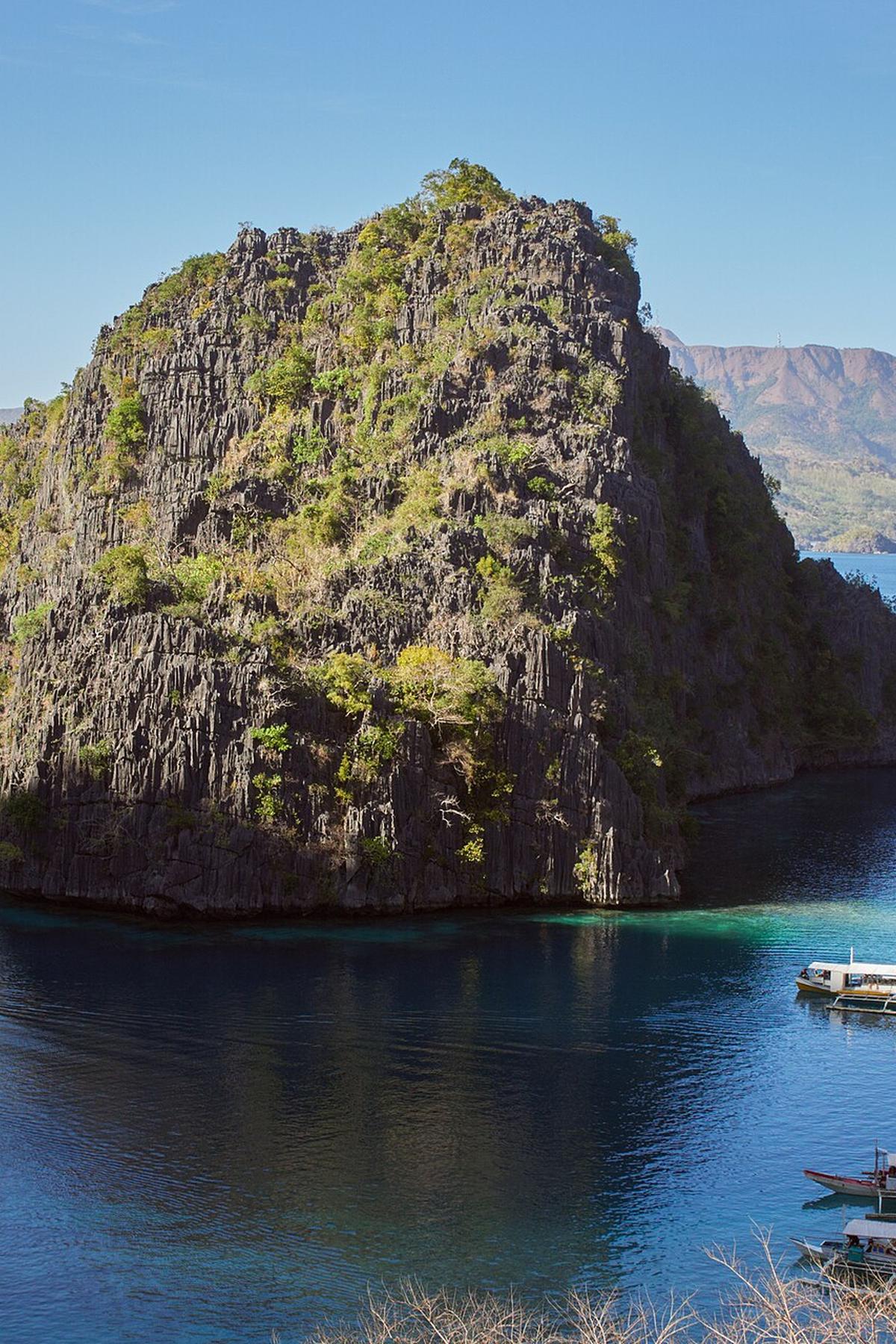


Coron Wreck Diving Depth and Accessibility
The wrecks are the main event for divers, categorised by depth and difficulty. The Skeleton Wreck is the most accessible, lying in just 3 to 5 metres of water. It makes a superb snorkelling site. The Irako Wreck, a 150-metre freighter, is for advanced divers due to its 43-metre depth and potential for penetration. Other wrecks like the Olympia Maru and the Okikawa Maru offer depths between 20 and 30 metres, suitable for open-water certified divers.
Dive shops in Coron town assess your certification and logbook before booking you on any wreck dive. They run multiple trips daily, leaving from the pier. The journey to the dive sites is short, often under 30 minutes. This concentration of first-rate wrecks so close to a functional town is what makes Coron unique in the diving world.
Finding Coron Accommodation for Every Budget
Your choice of accommodation dictates your experience. Budget travellers find dozens of hostels and guesthouses clustered a few streets back from the water. Mid-range options are small, family-run resorts with their own dive shops. The handful of high-end places sit on stilts over the water on the town's outskirts, offering peace but requiring a tricycle ride into the centre.
Book well in advance for peak season, November to May. Understand that no matter what you pay, you will experience generator power and intermittent Wi-Fi. This is not a criticism of the hotels; it is the reality of infrastructure on Busuanga Island. Pack a power bank. Keep a reserve of cash.
What You Cannot Do from Coron Town
You cannot stay on Coron Island. All accommodation is on Busuanga Island in Coron town. You cannot simply wander to a beach; every significant natural attraction requires a pre-arranged bangka tour.
Do not come here expecting a much nightlife or walkable beachfront. The town is practical. Evenings are for planning the next day's dive or island hop over a meal, not for bar-hopping. While other Palawan destinations like El Nido or Port Barton are reachable, the ferry is notoriously rough and will consume an entire day. Coron town is a destination to base yourself in, not a stop on a rushed tour.
What to See in Coron
-
 Calauit Safari Park
 on Busuanga requires a ferry and road trip from Coron town to see African animals translocated in 1976. Here is the full-day logistics and entrance cost.
Calauit Safari Park
Calauit Safari Park on Busuanga requires a ferry and road trip from Coron town to see African animals translocated in 1976. Here is the full-day logistics and entrance cost.
-
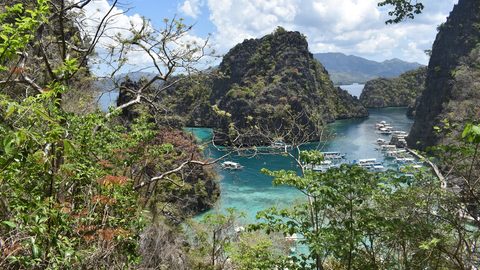 Kayangan Lake
 on Coron Island demands a before-8am arrival for the viewpoint photo. Learn Tagbanwa ancestral access rules, the Coron town bangka trip, and swimming conditions.
Kayangan Lake
Kayangan Lake on Coron Island demands a before-8am arrival for the viewpoint photo. Learn Tagbanwa ancestral access rules, the Coron town bangka trip, and swimming conditions.
-
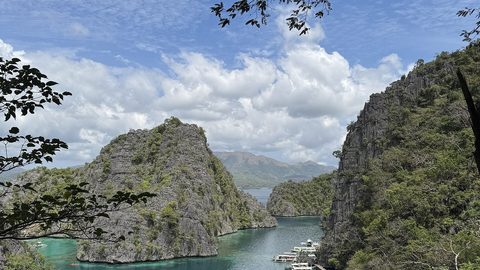 The Coron wrecks
Coron wrecks diving spans Skeleton Wreck at snorkel depth to Irako Wreck at 43 metres. Here is the depth ladder, certification needed, and the Coron Bay September 1944 history.
The Coron wrecks
Coron wrecks diving spans Skeleton Wreck at snorkel depth to Irako Wreck at 43 metres. Here is the depth ladder, certification needed, and the Coron Bay September 1944 history.
More on Coron
Common Questions
What is the best time of year to visit Coron?
Visit between November and May for dry weather and calm seas, essential for diving and island hopping. Avoid July to mid-October due to monsoon rains and rough water that cancels tours. Never visit during Holy Week (Easter), when domestic tourism creates gridlock.
How do I get from Coron town to the airport (USU)?
The drive from Coron town to Francisco B. Reyes Airport (USU) takes 30 to 45 minutes. Book a shared van through your accommodation or a travel agent. Tricycles also make the journey, but confirm the price includes your luggage.
Can I snorkel at Barracuda Lake?
No. Barracuda Lake is for scuba divers only due to its depth and thermocline layers. The Tagbanwa authorities who manage the site do not permit snorkelling. Kayangan Lake and Twin Lagoon are the snorkelling spots on the standard island tour.
Do I need to book Coron island tours online in advance?
No. Advance online booking is neither necessary nor common. The most efficient way is to book in person the day before at the pier in Coron town. This allows you to see the boat, meet the guide, and pay the exact cash amount for the tour and all fees.
Is Coron town suitable for families with young children?
It is challenging. The town lacks beaches, the boat rides can be rough, and the infrastructure is basic. The climb to Kayangan Lake is steep and difficult with small children. Coron town is better suited for older children and adults focused on diving and adventure.
How much cash should I bring to Coron?
Assume you will need cash for everything: tours, entrance fees, meals, tricycles, and tips. ATMs in town are limited and often run out of money, especially on weekends. Bring enough Philippine pesos to cover your entire stay plus a contingency fund.
What is the ferry like from Coron to El Nido?
The fast ferry takes 3.5 to 4.5 hours and is frequently rough, with seasick bags provided. Do not attempt this journey in a single week; it consumes a full day and leaves no time to properly experience either destination.
Read next
-
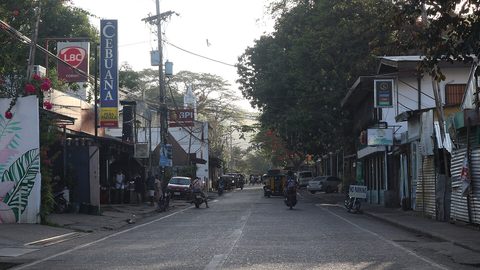 Coron Hotels for Divers and Early Boats to the Lakes
Coron hotels chosen for dive-gear logistics and an early start to Coron Island's lakes: walking distance to the pier, breakfast before 7am, and a dry bed in a functional town.
Coron Hotels for Divers and Early Boats to the Lakes
Coron hotels chosen for dive-gear logistics and an early start to Coron Island's lakes: walking distance to the pier, breakfast before 7am, and a dry bed in a functional town.
-
Kayangan Lake
Kayangan Lake on Coron Island demands a before-8am arrival for the viewpoint photo. Learn Tagbanwa ancestral access rules, the Coron town bangka trip, and swimming conditions.
-
The Coron wrecks
Coron wrecks diving spans Skeleton Wreck at snorkel depth to Irako Wreck at 43 metres. Here is the depth ladder, certification needed, and the Coron Bay September 1944 history.
-
Calauit Safari Park
Calauit Safari Park on Busuanga requires a ferry and road trip from Coron town to see African animals translocated in 1976. Here is the full-day logistics and entrance cost.
-
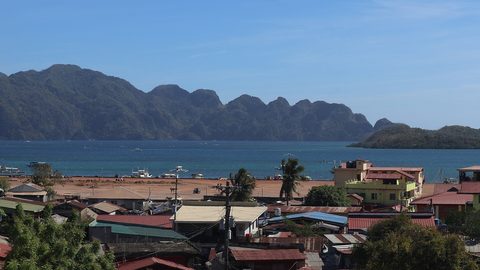 Coron Island Hopping, Kayangan, Twin Lagoon and Which Tour to Book
Coron island hopping runs one main route from Coron town covering Kayangan Lake, Twin Lagoon, Barracuda Lake, and Skeleton Wreck for 1,500 to 1,800 PHP.
Coron Island Hopping, Kayangan, Twin Lagoon and Which Tour to Book
Coron island hopping runs one main route from Coron town covering Kayangan Lake, Twin Lagoon, Barracuda Lake, and Skeleton Wreck for 1,500 to 1,800 PHP.
-
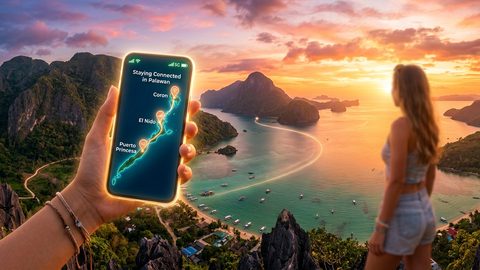 Staying Connected in Palawan From Puerto Princesa to El Nido and Coron
Stay connected from Puerto Princesa to El Nido and Coron. Know when to save maps, tickets, and bookings before vans, ferries, and island tours.
Staying Connected in Palawan From Puerto Princesa to El Nido and Coron
Stay connected from Puerto Princesa to El Nido and Coron. Know when to save maps, tickets, and bookings before vans, ferries, and island tours.