Palawan Trip Cost by Day, Town and Travel Style
A Palawan trip cost is mostly small cash outflows—eco-fees, bangka tours, van fares—not just hotels. Here is what a week actually spends in pesos and where the money goes.
On prices: the figures on this page were gathered in September 2026 and are given as bands rather than current quotes. Rates, fees and timetables change every season - check with the operator before you book.
The Stack of Cash That is Palawan
The first thing you pay for in Palawan is not your hotel or flight. It is the 200 peso environmental fee at the El Nido port, handed over in cash to a man with a receipt book before you can board a boat. A Palawan trip runs on a relentless series of small, mandatory cash outlays that first-timers never tally. Your budget is not one number but a stack of peso notes for van drivers, boat captains, and port officials who do not take cards.
You will need more small bills than feels sensible. Budget for the shared van from Puerto Princesa Airport to El Nido, the island-hopping tour, and the extra eco-fee collected separately. The ATMs in El Nido and Coron run dry by Sunday afternoon, and many establishments operate on generator hours, making cash your only reliable currency outside the provincial capital.
What follows is an itemised accounting of every unavoidable outflow across a week. The real costs that shape your trip, from the beachfront seafood platter in Port Barton to the ferry that eats a whole day moving between Coron and El Nido.
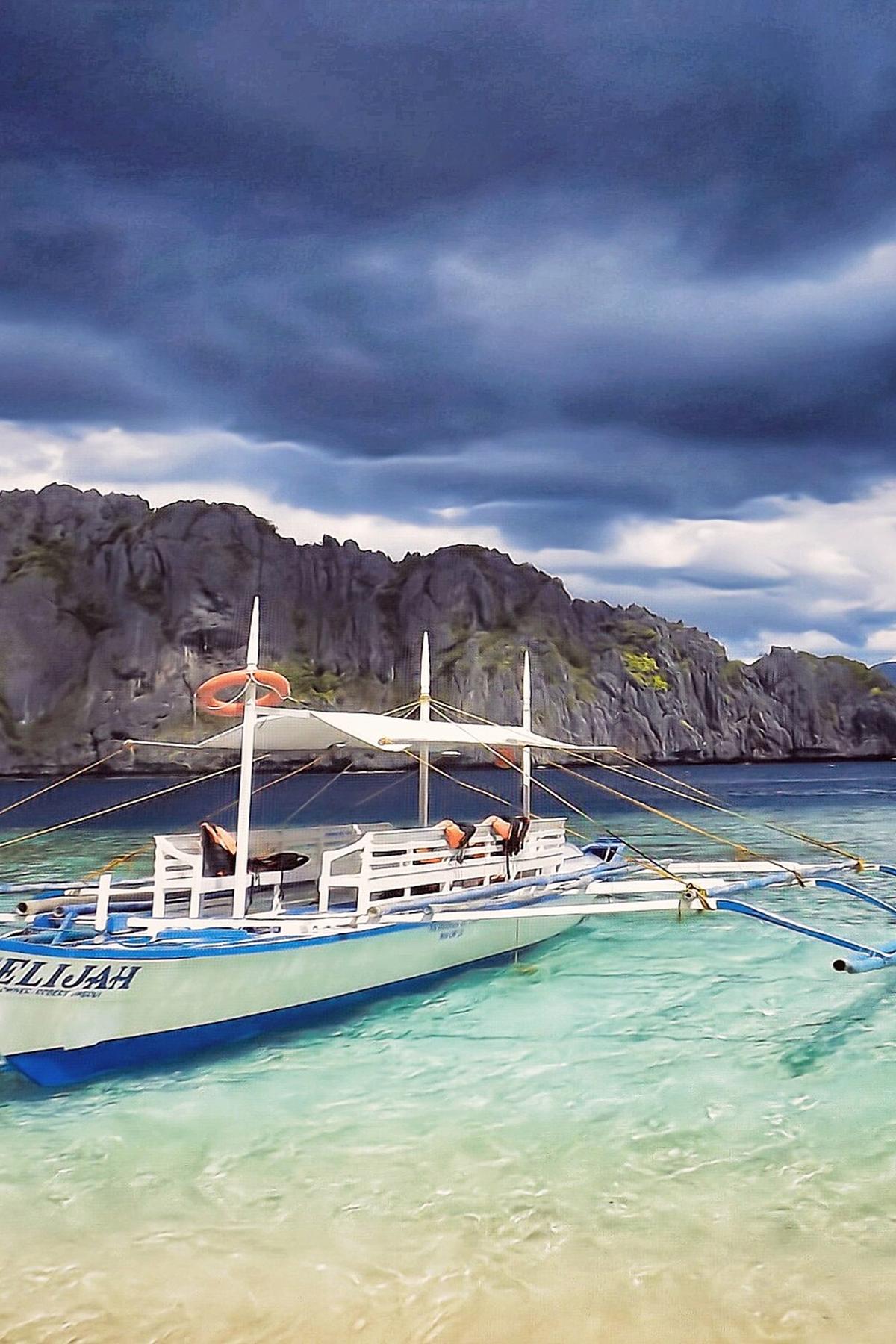

Palawan Budget Breakdown
A practical Palawan budget covers three areas: moving between towns, accessing the natural sights, and daily living expenses. Flights and accommodation are fixed costs you book in advance. The real spending happens on the ground in cash.
Ground Transport Costs
Shared vans are the backbone of Palawan transport. They run on a wait-for-full system, not a schedule. A 9am van from Puerto Princesa to El Nido might not leave until 11am. Budget 600 to 900 pesos for that five to six hour journey. The road from El Nido to Port Barton is partially unpaved and takes four to five hours for 90 kilometres, costing 500 to 700 pesos per seat. Private van rates are steep, from 6,000 to 8,000 pesos for the same route.
The Ferry Consideration
The ferry between El Nido and Coron operates from November to May and costs 1,800 to 2,200 pesos for the four to five hour journey. Rough seas are common. Trying to do both destinations in a single week means sacrificing two days to transit, leaving you with rushed half-stays. Choose one base.
| Route | Vehicle Type | Duration | Cost (PHP) | Notes |
|---|---|---|---|---|
| Puerto Princesa to El Nido | Shared Van | 5–6 hours | 600–900 | Cash paid to driver, departs when full |
| Puerto Princesa to Sabang | Shared Van | 2 hours | 300–400 | For Underground River access |
| Puerto Princesa to Port Barton | Shared Van | 4–5 hours | 500–700 | Rough road conditions |
| El Nido to Port Barton | Shared Van | 4–5 hours | 500–700 | Partially unpaved, bone-jarring ride |
| El Nido to Coron | Ferry | 4–5 hours | 1,800–2,200 | Operates Nov–May, rough seas common |
| Coron to Culion | Ferry | 45 minutes | 300 | Each way, for history tours |
| Coron Town to Airport | Tricycle | 30 minutes | 150–300 | Fixed rate per vehicle, not per person |
El Nido Expenses
El Nido town is your chaotic launch point for the Bacuit Bay lagoons. Your largest expense here is the island-hopping tours, paid in cash at tour offices the day before.
Tour A, covering the Big Lagoon and Small Lagoon, costs 1,200 to 1,400 pesos per person. Tour C, to hidden beaches and shrines, runs 1,400 to 1,600 pesos. These are base prices. You must also pay a 200 peso environmental fee and a 200 peso Bacuit Bay entrance fee per person, in cash, at the port on the morning of your tour. Kayak rental at the lagoons costs extra.
Accommodation and Food
Budget accommodation in El Nido town costs 800 to 2,000 pesos per night for a basic guesthouse room, often with intermittent fan power due to brownouts. A midrange room with reliable air conditioning costs 2,500 to 5,000 pesos. Food carries a premium because everything is shipped from Manila; a main course in a midrange restaurant is 250 to 500 pesos. A simple danggit breakfast with rice is 150 pesos.
There are only a handful of ATMs in town, and they run out of cash from Friday evening through Sunday. Make your ATM cash run early in the week.
Coron Expenses
Coron town is a functional dive hub, not a beach destination. Your money here goes toward island tours and first-rate wreck diving.
The standard Coron island-hopping tour to Kayangan Lake and Twin Lagoon costs 1,500 to 1,800 pesos. A separate tour focusing on shipwrecks and Coral Garden is the same price. These are per person rates paid in cash. On top of the tour price, you will pay a 150 peso environmental fee and a 200 peso Coron Island tribal fee to the Tagbanwa community. These are separate cash transactions.
Accommodation and Food
A budget room in Coron town costs 700 to 1,800 pesos per night. Midrange options range from 2,000 to 4,500 pesos. Like El Nido, Coron suffers from ATM reliability issues, with only a few machines that empty by the weekend. Card acceptance is limited to a few larger hotels and dive shops, which add a 3 to 5 percent surcharge.
For food, try danggit lamayo, a marinated sun-dried rabbitfish, for breakfast. A local meal in a carinderia costs 80 to 150 pesos.
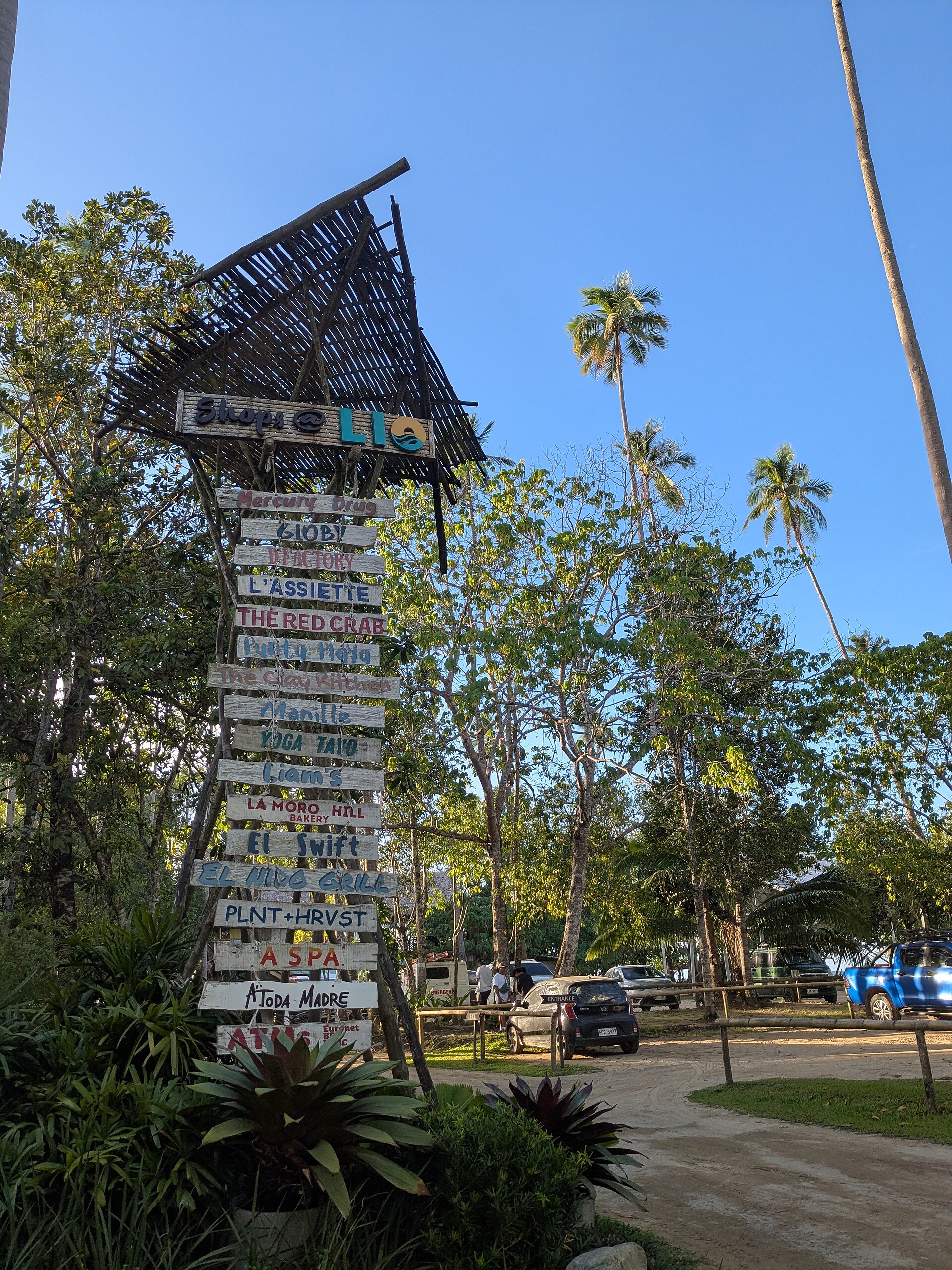

Palawan Peso Budget for One Week
This budget assumes a week based in either El Nido or Coron, not both. It is for a solo traveller staying in budget accommodation and doing two island-hopping tours.
Accommodation
Seven nights in a budget guesthouse: 5,600 to 14,000 pesos. This wide range reflects the price difference between a basic fan room in low season and a more comfortable option in peak season.
Tours and Fees
Two island-hopping tours: 2,400 to 3,600 pesos. Environmental and tribal fees for two tours: 700 pesos. Total for activities: 3,100 to 4,300 pesos.
Food and Drink
Three meals per day, mixing carinderia meals and occasional restaurant splurges: 400 to 800 pesos per day. Over seven days: 2,800 to 5,600 pesos.
Local Transport
Tricycle fares around town and one major van transfer: 1,000 to 2,000 pesos.
Total Cash Budget
Total per person for one week: roughly 13,000 to 26,000 pesos. This is the cash you need to withdraw after arriving, excluding flights and pre-booked hotels. Bring more small bills than you think you need.
Managing Your Money in Palawan
Cash dependency is the single biggest financial factor in Palawan. Outside Puerto Princesa, assume every transaction requires peso notes.
Withdraw all the cash you will need for your stay in a town as soon as you arrive. The ATMs in El Nido and Coron are few and run out of money, especially from Friday evening through Sunday afternoon and on Philippine public holidays. Do not plan to withdraw cash on a Saturday.
Carry your cash in a secure money belt or pouch. Break large 1,000 peso bills whenever you can; drivers and small shops may not have change. Budgeting for a Palawan trip means planning for these small, relentless outflows.
Credit cards are not a reliable backup. Acceptance is limited to a handful of larger hotels and dive shops in El Nido and Coron, and they add a 3 to 5 percent surcharge. In places like Port Barton, it is cash only everywhere.
Who Palawan is for and Who Should Skip it
Palawan suits adventure-minded couples and small groups who value raw natural beauty over luxury. It rewards competent scuba divers chasing first-rate reefs and island-hopping purists willing to trade comfort for seclusion. Photographers come for the limestone karst seascapes, and experienced backpackers handle the unpredictable schedules.
Palawan is not for travellers wanting walkable beach towns with nightlife. Families with very young children or mobility issues will struggle with the rough transfers and basic facilities. Anyone on a tight five-day Philippines itinerary should not try to cram Palawan in. Luxury-resort seekers expecting polished service will find the high-end options are isolated, and you are largely stuck where you land without the infrastructure to support constant movement.
Common Questions
How much cash should I bring for a week in Palawan?
Bring 15,000 to 20,000 pesos per person in cash for a week, excluding your flight and pre-booked hotel. This covers tours, food, local transport, and all fees. Withdraw it in Puerto Princesa where ATMs are reliable, as machines in El Nido and Coron frequently run dry.
Is it better to stay in El Nido or Coron?
Choose one. The ferry between them costs 1,800-2,200 pesos and takes 4-5 hours, consuming a full day. El Nido is for famous lagoons and beach hopping. Coron is for first-rate wreck diving and freshwater lakes. Trying to do both in a week means two rushed half-stays.
What is the biggest unexpected cost in Palawan?
The separate environmental and tribal fees are the biggest surprise. Every island-hopping tour requires an additional cash payment at the port, from 150 to 200 pesos per person per tour. These are not included in the tour package price you book.
Can I use credit cards in El Nido?
Limited acceptance. Some larger hotels, dive shops, and restaurants accept cards but often add a 3-5% surcharge. For tours, van transfers, port fees, and most meals, cash is mandatory. Assume you will operate entirely on cash.
Why are things more expensive in El Nido and Coron?
Two reasons. All supplies are shipped from Manila or Puerto Princesa, adding freight costs. Secondly, electricity is generated locally by diesel generators, which has a much higher cost per kWh than grid-connected areas like Puerto Princesa.
When is the worst time to visit Palawan?
July to mid-October brings monsoon rains, rough seas that cancel island-hopping tours, and jellyfish. Holy Week (Easter) sees domestic tourism surge to gridlock levels in El Nido and Coron, with prices spiking and crowds overwhelming the lagoons.
What is a must-try food in Palawan?
Try a seafood platter on the beach in Port Barton, with grilled squid and parrotfish, for 400-600 pesos. In Puerto Princesa, sample kinilaw-style tamilok (woodworm) or crocodile silog at a local tapsilogan.
Read next
-
 Palawan Hotels by Town and Type, From Hostels to Island Resorts
Palawan hotels by town and type: what you trade in comfort, location, and generator hours at each price point from Coron to Port Barton.
Palawan Hotels by Town and Type, From Hostels to Island Resorts
Palawan hotels by town and type: what you trade in comfort, location, and generator hours at each price point from Coron to Port Barton.
-
 Where to Stay in Palawan, Which Town and in What Order
Where to stay in Palawan isn't about the best hotel — it's about which town, in what order, and how many nights before transit steals a day.
Where to Stay in Palawan, Which Town and in What Order
Where to stay in Palawan isn't about the best hotel — it's about which town, in what order, and how many nights before transit steals a day.
-
 Palawan Flights, Which Airport to Fly Into and From Where
Palawan has three airports—PPS, USU, and ENI—and picking the wrong one adds a full day of transit. Here is which airport serves which town and where flights connect.
Palawan Flights, Which Airport to Fly Into and From Where
Palawan has three airports—PPS, USU, and ENI—and picking the wrong one adds a full day of transit. Here is which airport serves which town and where flights connect.
-
 Palawan Things to Do, Town by Town and Tour by Tour
Which Palawan tours earn a full day: El Nido Tour A vs C, Coron wreck dives, Underground River permits, and what's skippable in monsoon season.
Palawan Things to Do, Town by Town and Tour by Tour
Which Palawan tours earn a full day: El Nido Tour A vs C, Coron wreck dives, Underground River permits, and what's skippable in monsoon season.
-
 Best Time to Visit Palawan, Month by Month and Coast by Coast
Palawan month by month: which coast gets calm seas, when boat tours cancel, and how domestic holidays spike prices and crowds regardless of weather.
Best Time to Visit Palawan, Month by Month and Coast by Coast
Palawan month by month: which coast gets calm seas, when boat tours cancel, and how domestic holidays spike prices and crowds regardless of weather.
-
 Getting Around Palawan by Van, Ferry and Plane, With Real Times
Vans wait until full, ferries cross rough seas, and a 90km road can take 5 hours. Real transit times and costs for getting around Palawan.
Getting Around Palawan by Van, Ferry and Plane, With Real Times
Vans wait until full, ferries cross rough seas, and a 90km road can take 5 hours. Real transit times and costs for getting around Palawan.
-
 Coron
Coron town on Busuanga is a functional dive hub with limited beaches—the real draw is Coron Island's lakes and WWII wrecks, reached by bangka day trips only.
Coron
Coron town on Busuanga is a functional dive hub with limited beaches—the real draw is Coron Island's lakes and WWII wrecks, reached by bangka day trips only.
-
 San Vicente
 offers a 14-kilometre Long Beach and low-density Palawan seclusion, but it is an emerging zone with generator power and limited facilities.
San Vicente
San Vicente offers a 14-kilometre Long Beach and low-density Palawan seclusion, but it is an emerging zone with generator power and limited facilities.
-
 Puerto Princesa to El Nido by Van, Bus or Plane, With Real Times
The Puerto Princesa to El Nido van takes 5 to 6 hours on a paved road, but shared vans only depart when full, turning a scheduled trip into a waiting game.
Puerto Princesa to El Nido by Van, Bus or Plane, With Real Times
The Puerto Princesa to El Nido van takes 5 to 6 hours on a paved road, but shared vans only depart when full, turning a scheduled trip into a waiting game.