Calauit Safari Park on Busuanga, a Ferry Trip From Coron
Calauit Safari Park on Busuanga requires a ferry and road trip from Coron town to see African animals translocated in 1976. Here is the full-day logistics and entrance cost.
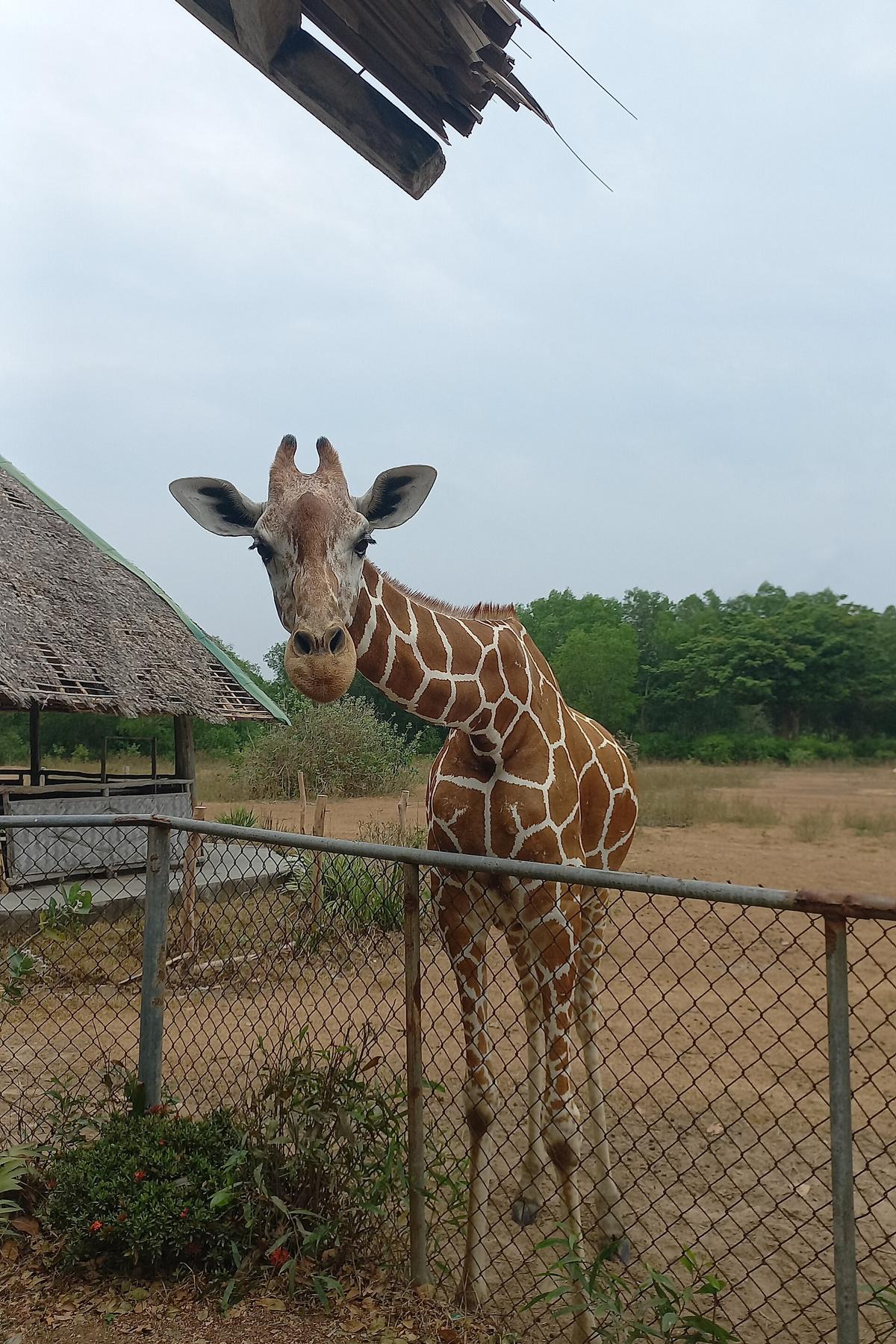

The Calauit Safari Park Busuanga Ferry Trip is a Full-Day Expedition
Getting to Calauit Safari Park from Coron town takes most of the day. The journey covers 70 to 80 kilometers, combining a long, bumpy overland trip across Busuanga Island with a final ferry crossing to Calauit Island. Your tour van leaves Coron between 4:00 and 5:00 in the morning. The aim is to beat the heat and complete the road segment to Macalachao pier before the sun is high. That drive takes 1.5 to 2 hours on a road that is unpaved in sections and punishing after rain. From the pier, a 20 to 30 minute ferry trip delivers you to the island sanctuary. The one-way transit eats 2 to 2.5 hours. Do not expect to be back in Coron before 5:00 PM. This is a 12 to 14 hour commitment. Do not combine it with other major tours. The distance makes that a mistake.
When To Go
Plan this trip only during the dry season, from November to May. From June to October, the southwest monsoon brings rough seas that cancel the ferry from Macalachao pier. You will be stranded after the long drive. Even in the dry months, a single heavy rain turns the northern road to mud. This is not a casual half-day add-on. It is a logistics-heavy expedition for people who want to see African animals on a Philippine island.
- Location: Calauit Island, Busuanga, Palawan, Mimaropa
- Distance from Coron Town: 70-80 km (road and ferry)
- Total One-Way Travel Time: 2-2.5 hours
- Typical Tour Duration: Full day (12-14 hours)
- Best Time to Visit: November to May (dry season)
- Primary Wildlife: Giraffes, zebras, and endemic Calamian deer
Calauit Safari Park African Animals Philippines
Calauit Safari Park is defined by its legacy. In 1976, President Ferdinand Marcos Sr. established the preserve via Presidential Proclamation No. 1578. The following year, a shipment of 104 African savanna animals arrived from Kenya aboard the MV Salvador. The original translocation included 15 giraffes, 15 zebras, and several antelope species like impala and eland. Today, the giraffe population is estimated at 30 to 35 individuals, and the zebra herd numbers around 25 to 30. These are the stars. Feeding the giraffes is the moment you came for.
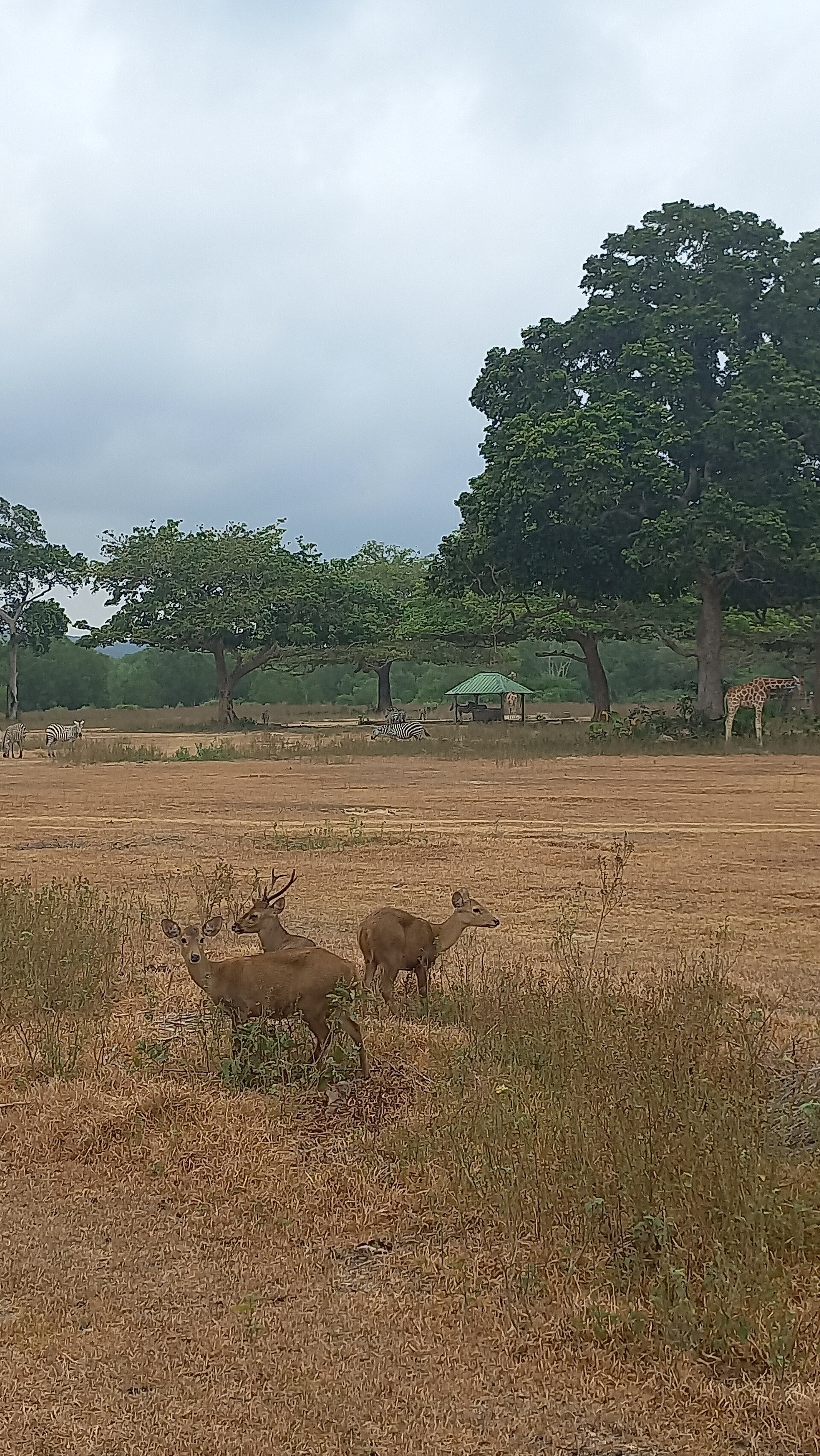
The park is also a sanctuary for endemic Philippine species. You will see the endangered Calamian deer, the Calamian wild boar, and potentially the Palawan peacock-pheasant and Philippine crocodile. The presence of both African and native animals creates a strange ecological snapshot. Manage your expectations. Facilities are minimal. Bring a packed lunch and plenty of water.
Calauit Island Ferry from Coron Town
The ferry is the final leg. After the long van ride north, you board a bangka boat at Macalachao pier for the 20 to 30 minute crossing to Calauit Island. The sea is calm during the Amihan season. Your tour operator handles the boat. Be prepared for a basic vessel. There is no public ferry schedule for tourists. Access is exclusively through organized tours booked in Coron town.
Booking Your Tour
Book at least a day in advance from a registered operator in Coron town. The price includes van transport, the ferry trip, the park entrance fee, and sometimes a guide. Confirm the entrance fee amount with your operator before paying. The fee varies by nationality and the park adjusts it without notice. The standard tour is the Calauit Safari Park land tour. Some operators offer combined tours that add Black Island or Dimakya Island. This stretches an already long day past breaking point. For a first visit, stick to the primary safari park experience.
Busuanga North Island Tour Calauit
The road trip north is an adventure. The 50 to 55 kilometer journey reveals a rugged, rural side of Palawan far from the crowded lagoons of Coron Island. The road is paved in parts. Then it becomes a rough, unpaved track. Travel time depends on the season and recent weather. Dry season access is the only reliable option. The van passes through small communities. You get a sense of the island's scale.
This is not a comfortable coach ride. Expect dust and jolting. The early departure gets you back before the midday heat punishes the return trip. There are no facilities along the way. Use the restroom before leaving Coron. Your hotel-to-van tricycle connection is included in the package. This north Busuanga trip is about the destination, not the journey. Come prepared for the transit.

| Fee Type | Estimated Cost (PHP) | Notes |
|---|---|---|
| Entry Fee | 200-500 | Varies by visitor nationality. Confirm the current rate with your tour operator before booking. |
| Camera Fee | 100-300 | Varies by device type (phone vs. professional camera). |
| Standard Tour Price | ~2,500-4,000 | Includes van, ferry, park entry, and sometimes a guide. Price is per person. |
| Combined Tour (e.g., + Black Island) | ~3,500-5,000 | A longer, more expensive day trip option. |
The 1976 Translocation and Its Complicated Legacy
The creation of Calauit Safari Park in 1976 had a profound human cost. The presidential proclamation that established the game preserve also displaced approximately 250 indigenous Tagbanua families who lived on Calauit Island. They were relocated to Halsey Island and other parts of Busuanga. This history is essential to understanding the park. In 1998, the Tagbanua were awarded a Certificate of Ancestral Domain Title (CADT) covering Calauit Island and surrounding areas. A co-management agreement with the Department of Environment and Natural Resources (DENR) was later signed, granting the Tagbanua a role in managing the sanctuary.
When you visit, you are witnessing a landscape with a layered history of conservation and displacement. The African animal island legacy since 1976 is a story of adaptation, but it began with the removal of the island's original inhabitants. Tour descriptions omit this context. You need it for a complete picture of the park.
Common Questions
What African animals can I see at Calauit Safari Park?
The main attractions are the descendants of the 1977 translocation: a herd of giraffes and a herd of zebras. The original antelope species have not thrived to the same degree. The park is also a sanctuary for endemic species like the Calamian deer.
Is the Calauit Safari Park worth the long trip?
It is worth it only for travellers fascinated by its unique history. If your interest is primarily in Palawan's beaches and lagoons, this full-day commitment is not the best use of your time. The journey is long and the facilities are basic.
Can I visit Calauit Safari Park independently?
No. There is no regular public ferry from Coron town. Access is controlled through tours that bundle the van, ferry trip, and park entry. You must book a tour with an operator in Coron.
What is the best time of year to visit?
The only reliable window is the dry season from November to May. The sea crossing from Macalachao pier is unsafe and frequently cancelled during the June to October monsoon.
What should I bring for the day trip?
Bring cash for any additional fees or souvenirs, a packed lunch, ample water, sunscreen, a hat, and insect repellent. Wear comfortable clothing and closed-toe shoes for the land tour.
Are there combined tours that include other islands?
Yes, some operators offer trips that combine Calauit with nearby Black Island or Dimakya Island. This makes an already long day even longer and more expensive. For most, the standard safari park tour is sufficient.
How has the wildlife population changed since 1976?
The giraffe and zebra populations have slowly increased from the original 15 of each. The 2023 estimates were 30-35 giraffes and 25-30 zebras. Other imported species have had less success.
Read next
-
 Coron Hotels for Divers and Early Boats to the Lakes
Coron hotels chosen for dive-gear logistics and an early start to Coron Island's lakes: walking distance to the pier, breakfast before 7am, and a dry bed in a functional town.
Coron Hotels for Divers and Early Boats to the Lakes
Coron hotels chosen for dive-gear logistics and an early start to Coron Island's lakes: walking distance to the pier, breakfast before 7am, and a dry bed in a functional town.
-
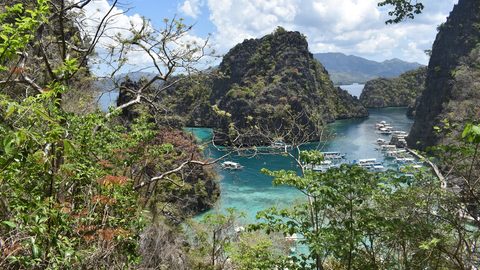 Kayangan Lake
 on Coron Island demands a before-8am arrival for the viewpoint photo. Learn Tagbanwa ancestral access rules, the Coron town bangka trip, and swimming conditions.
Kayangan Lake
Kayangan Lake on Coron Island demands a before-8am arrival for the viewpoint photo. Learn Tagbanwa ancestral access rules, the Coron town bangka trip, and swimming conditions.
-
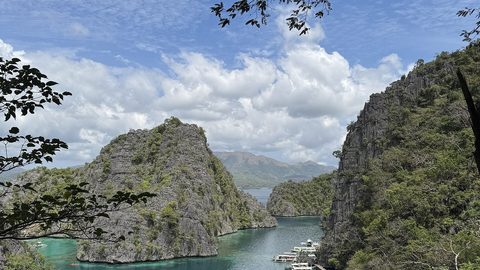 The Coron wrecks
Coron wrecks diving spans Skeleton Wreck at snorkel depth to Irako Wreck at 43 metres. Here is the depth ladder, certification needed, and the Coron Bay September 1944 history.
The Coron wrecks
Coron wrecks diving spans Skeleton Wreck at snorkel depth to Irako Wreck at 43 metres. Here is the depth ladder, certification needed, and the Coron Bay September 1944 history.
-
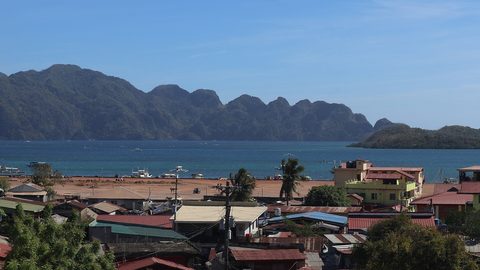 Coron Island Hopping, Kayangan, Twin Lagoon and Which Tour to Book
Coron island hopping runs one main route from Coron town covering Kayangan Lake, Twin Lagoon, Barracuda Lake, and Skeleton Wreck for 1,500 to 1,800 PHP.
Coron Island Hopping, Kayangan, Twin Lagoon and Which Tour to Book
Coron island hopping runs one main route from Coron town covering Kayangan Lake, Twin Lagoon, Barracuda Lake, and Skeleton Wreck for 1,500 to 1,800 PHP.
-
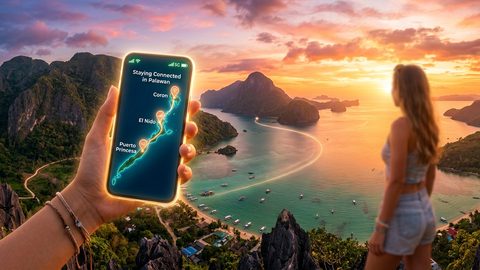 Staying Connected in Palawan From Puerto Princesa to El Nido and Coron
Stay connected from Puerto Princesa to El Nido and Coron. Know when to save maps, tickets, and bookings before vans, ferries, and island tours.
Staying Connected in Palawan From Puerto Princesa to El Nido and Coron
Stay connected from Puerto Princesa to El Nido and Coron. Know when to save maps, tickets, and bookings before vans, ferries, and island tours.