El Nido Scooter Loop to Nacpan and Duli in One Day
A practical guide to El Nido Scooter Loop to Nacpan and Duli in One Day.

What makes the Nacpan-Duli loop a full-day ride
This northern loop is one of the most rewarding self-guided scooter routes available from El Nido town. It links two strikingly different beaches, Nacpan and Duli, then returns through an inland landscape of jungle and rice paddies. Total riding time is approximately four to five hours, not counting stops, so treating it as a full-day outing leaves room for swimming, eating and photographing without rushing.
The route suits riders who are comfortable on unpaved surfaces. The coastal sections are straightforward, but the inland return and the final approaches to both beaches demand attention. Because no petrol stations exist north of town, the ride requires planning: a full tank before departure, offline navigation and an early start to avoid riding after dark on unlit roads.
Scooter choice and what the terrain demands
The research is clear that the final stretch to Duli Beach includes a rough dirt and gravel road with steep sections and river crossings. A manual motorbike or dirt bike is essential for that segment. Small automatic scooters are explicitly noted as unsuitable for the Duli approach, and inexperienced riders should think carefully before attempting the full loop.
For the Nacpan leg, the first 15 to 20 kilometres follow a paved national highway. The last two to five kilometres turn into an unpaved gravel and dirt access track with potholes, which becomes muddy and slippery after rain. An automatic scooter can handle this in dry conditions, but the same bike may struggle if the day’s plan includes continuing to Duli.
Rental rates vary by bike type. Rather than quoting a figure that may be out of date, confirm the daily rate for a manual or dirt bike directly with your rental operator on the day of hire. Ask explicitly whether the bike is equipped for river crossings and loose gravel, and inspect the tyres and brakes before accepting the keys.



Licensing, helmets and the legal basics
Under Republic Act 4136 Section 21, a foreign tourist may legally operate a motor vehicle in the Philippines for up to 90 days from arrival using a valid home-country driving licence. The licence must be in English or accompanied by an official translation or an International Driving Permit. Carry your physical licence and passport with you; a digital copy on a phone is not a guaranteed substitute if you are stopped.
The Motorcycle Helmet Act of 2009 requires both rider and passenger to wear a standard protective helmet bearing a Philippine Standard mark or Import Commodity Clearance sticker at all times on any road. Fines escalate from ₱1,500 to ₱10,000 for repeat offences. Rental shops supply helmets, but the fit and condition vary. If the helmet lacks the required sticker or is damaged, ask for a replacement before leaving the shop.
The ride to Nacpan Beach
Nacpan Beach sits roughly 17 kilometres north of El Nido town proper. Riding time is typically 30 to 60 minutes, depending on road conditions and how cautiously you handle the unpaved final approach. The national highway section is mostly paved and easy to follow. Once you turn off toward the coast, the surface degrades quickly. Gravel, loose stones and potholes are common, and after rain the track turns to slick mud.
There is no official entrance fee for Nacpan Beach itself. Visitors arriving by motorbike may be asked to pay a parking fee of approximately ₱20 to ₱50, collected on-site by a local attendant. Carry small bills so you are not caught out if the attendant cannot provide change.
The beach is long, sandy and backed by coconut palms. It is a natural place to spend the late morning. Swimming is possible, but the shore can have a shore break that catches waders off guard. There are small eateries near the parking area where you can eat before continuing north.
Continuing to Duli Beach
Duli Beach lies in Barangay Bucana, roughly 25 to 35 kilometres north of El Nido town. Riding time each way ranges from 45 minutes to two hours, a spread that reflects how much the road surface and bike type matter. The coastal route beyond Nacpan is less travelled and less maintained. Expect stretches of hard-packed dirt, loose gravel and at least one river crossing where water depth changes with recent rainfall.
Duli is known as a surf beach, and its raw, undeveloped character is part of the appeal. There is no universally verified official entrance fee, though some visitors report a small charge of ₱20 to ₱50 at certain access points or for passing through private property. Whether you encounter a fee depends on the date and the specific access route you take. Carry a modest amount of cash and treat any request politely; the amounts involved are small and the land is often privately held.
Surfboard rental rates are mutable and should be confirmed with the operator on the day. If surfing is your goal, check conditions in advance through local surf contacts or your accommodation, as Duli’s exposure means swell can be inconsistent.
The inland return through jungle and rice paddies
Rather than backtracking along the coast, the loop returns to El Nido town via an inland route that cuts through jungle and rice paddies. This section is quieter, greener and more technically demanding than the outward leg. The surface is a mix of compacted earth, gravel and occasional concrete strips through villages. After rain, puddles can hide deep ruts, and the jungle canopy keeps some sections damp long after the sun comes out.
The inland road is narrow in places, with limited visibility around bends. Ride slowly, use the horn on blind corners and give way to larger vehicles. The landscape is the reward: water buffalo in the paddies, children waving from bamboo houses and ridgeline views that open up unexpectedly.
Mobile phone signal is unreliable beyond roughly 10 kilometres north of El Nido town. Download offline maps before departing, and consider carrying a power bank. Riding after dark is dangerous because roads are unlit, so aim to be back on the national highway well before sunset.
Fuel, fees and what to carry
There are no petrol stations north of El Nido town. Fill your tank in town before departing. A full day’s fuel for the Nacpan-Duli loop costs approximately ₱200 to ₱250, though the exact amount depends on your bike’s consumption and current pump prices. Fuel prices are mutable and should be checked at the station on the day of your ride.
The El Nido Eco-Tourism Development Fee is ₱400 per person, valid for 10 days, and applies to all visitors arriving from outside Palawan under Municipal Ordinance No. 01, Series of 2024. This fee is typically collected at major tourist sites or checkpoints. Keep the receipt with you; it may be requested at multiple locations.
Pack water, snacks, sunscreen and a basic rain layer. The weather can shift quickly, and the unpaved sections become significantly more difficult after rain. Check the forecast from PAGASA, the Philippine national weather authority, before setting out, especially during the wet season, which runs approximately June to October. If heavy rain is forecast or the roads have recently flooded, postpone the ride.
Sources and verification
- elnidohotelsranking.com — Research source checked for this guide
- roads-and-rivers.com — Research source checked for this guide
- beachynest.com — Research source checked for this guide
- lonelyplanet.com — Research source checked for this guide
- beachynest.com — Research source checked for this guide
- suroy.ph — Research source checked for this guide
Read next
-

 El Nido Hotels Near Tour Pickups and With Reliable Power
El Nido hotels sorted by generator reliability during brownouts and distance to the Tour A bangka departure, whether you stay in noisy town proper or isolated Nacpan Beach.
-
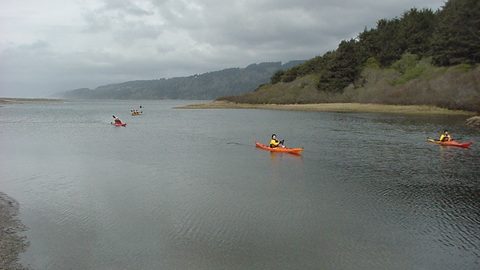 Big Lagoon
 El Nido is entered by kayak and governed by tides. Learn how Tour A timing, water depth, and dry-season crowds shape the visit to Miniloc Island.
-
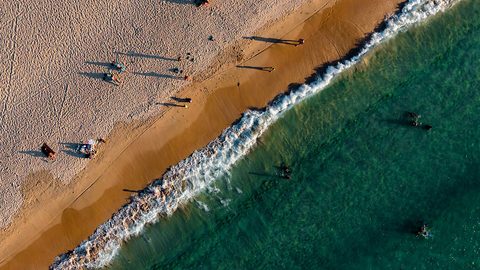 Nacpan Beach
 El Nido is a 45-minute tricycle trip to a four-kilometre sand twin beach with Calitang. Here is the fare, the shack setup, and why shade is absent.
-
 El Nido Rainy Day Alternatives Beyond the Beach and the Bar
A practical guide to El Nido Rainy Day Alternatives Beyond the Beach and the Bar.
-
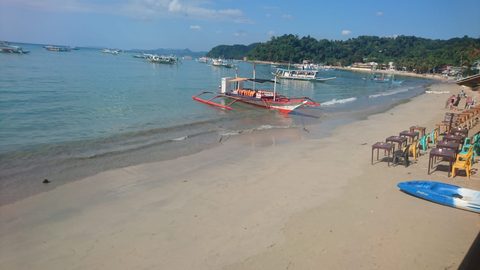 El Nido Tour A, Small Lagoon, Big Lagoon and Crowd Timing
El Nido Tour A hits Small Lagoon, Big Lagoon, and Secret Lagoon in Bacuit Bay. Here is the crowd timing for each stop, the kayak cost, and the 200 PHP environmental fee.
-
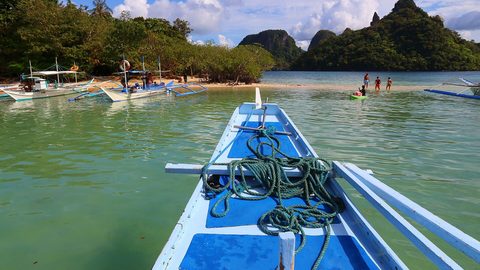 El Nido Tour B, Snake Island Sandbar and the Pinagbuyutan Caves
-
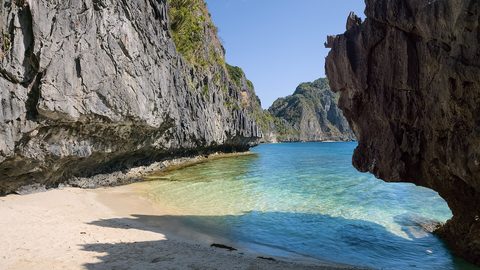 El Nido Tour C, Secret Beach, Matinloc Shrine and Helicopter Island
El Nido Tour C takes you to Secret Beach, Matinloc Shrine, and Helicopter Island on the most weather-exposed island-hopping route in Bacuit Bay.
-
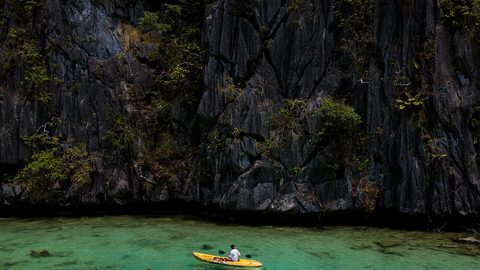 El Nido Tour D, Cadlao Lagoon and the Calmest Route in the Bay
El Nido Tour D visits Cadlao Lagoon, Small Lagoon, and Pasandigan Beach on a route that promises fewer crowds but depends heavily on departure timing.
-
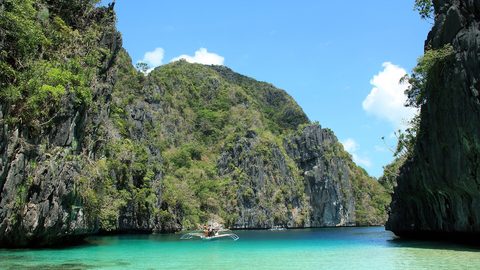 El Nido Tour A, B, C and D Compared, and Which to Book
El Nido Tours A, B, C, and D each cover different Bacuit Bay stops — Tour A packs Small Lagoon, Tour C reaches Secret Beach, and Tour D offers a quieter Small Lagoon alternative.